Auto Amazon Links: No products found.
The health sector is currently facing a substantial financial challenge, with a funding shortfall amounting to £800 million. To reach a balanced budget, the system would need to achieve savings of approximately 12% within a single year. However, during a recent health committee meeting, it was acknowledged that such a target is unrealistic to meet all at once, and there is hope that these savings can be spread out over several years.
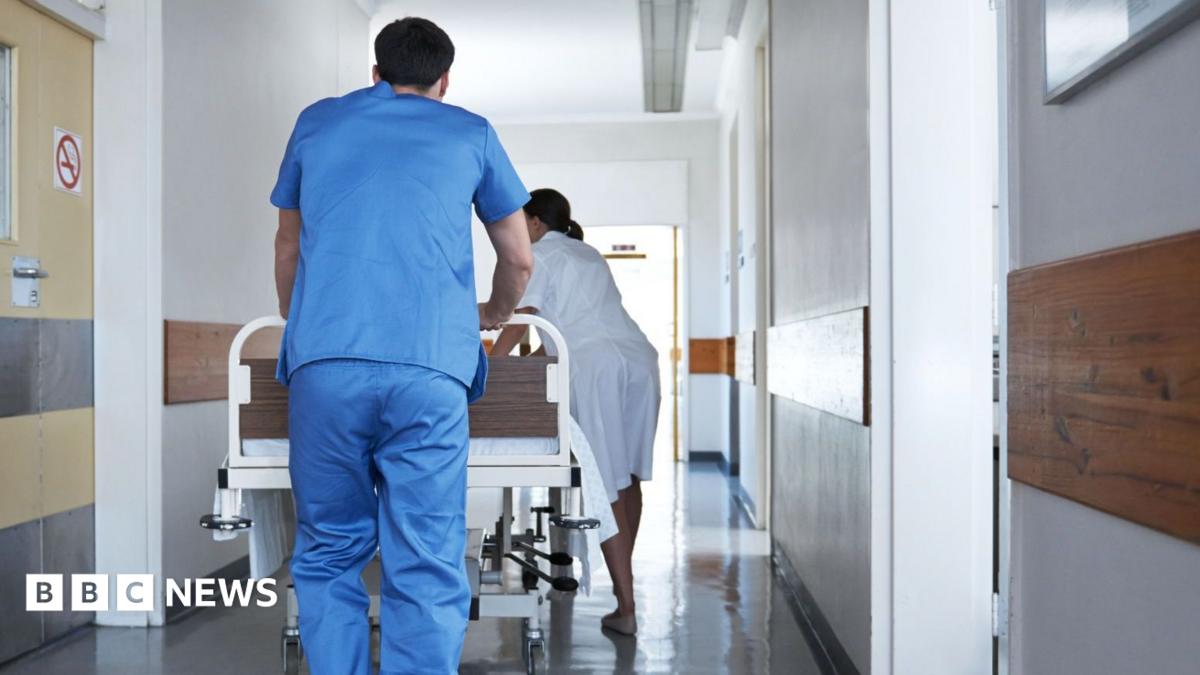
The Department of Health (DoH) along with the various health trusts will soon issue an official response outlining how they plan to address the need for greater efficiency. Meanwhile, health unions have expressed concern to BBC News NI that job reductions are likely as trusts strive to make the necessary savings. Among the positions potentially at risk are roles such as porters and cleaning staff.
While government officials describe the required changes as efficiencies, union representatives view them more critically, suggesting these moves amount to cuts. There is particular worry that a reduction in porter numbers could lead to increased pressure on other staff members, who may then have to take on additional duties like escorting patients to X-ray appointments and delivering meals. The £800 million funding gap also includes £300 million allocated for pay awards and the Real Living Wage for the year 2026-2027, leaving limited resources available for expanding services to meet the demands of an ageing population and the introduction of new medications.
At a Stormont health committee meeting, the DoH openly stated that achieving 12% efficiency savings within a single year is unfeasible. Detailed plans regarding how the Department and health trusts intend to realize these cost reductions are expected to be announced in the near future. Among the most pressing concerns remains the potential impact of budget cuts on inpatient care
Read the full article from The BBC here: Read More
Auto Amazon Links: No products found.