Auto Amazon Links: No products found.
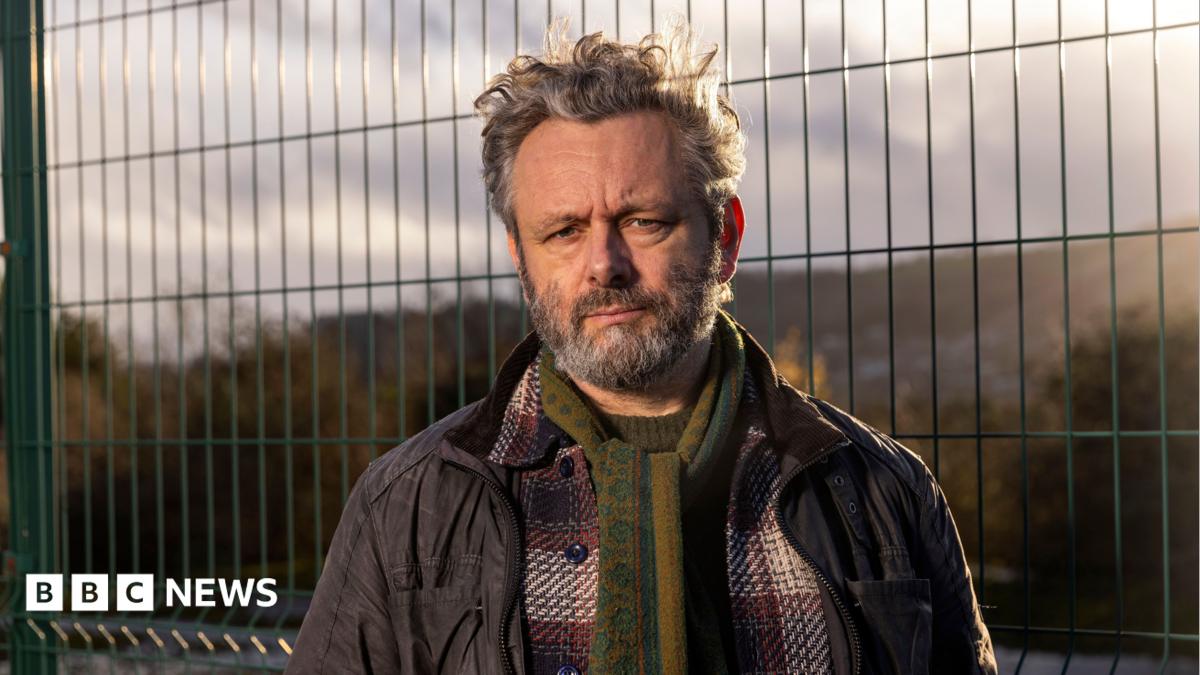
A former employee of Monsanto, Stephen Constance, who spent three years involved in sealing toxic waste underground during his time at the company’s Newport factory in the 1990s, revealed that workers were provided with inadequate protective gear and were not informed about the nature of the hazardous materials they were burying. His testimony came to light following the BBC documentary *Buried with Michael Sheen*, which shed light on Wales’ ongoing issues with toxic waste contamination.
The documentary highlighted 14 contaminated sites, but according to Dr. David Megson, a scientist who contributed to the film, these locations represent only a small fraction of a much larger problem. He noted that roughly 20,000 sites in the UK pose significant environmental and health concerns. Eastman Chemical Company, which now oversees Monsanto’s former operations in the UK, did not provide a response when approached for comment.
In addition to Constance’s revelations, numerous individuals reached out to BBC Wales after the documentary’s broadcast, sharing their concerns. Among them was Douglas Gowan, a researcher and whistleblower who spent five decades advocating for investigations into the widespread dumping of industrial chemicals, particularly polychlorinated biphenyls (PCBs). These substances, once commonly used in a range of products from lipstick to household appliances, were banned in the UK during the 1970s and are now prohibited in 151 countries due to their toxicity.
Dr. Megson, who is a reader in chemistry and environmental forensics at Manchester Metropolitan University, expressed serious concern about the findings. He explained that public pressure is essential to prompt regulatory action, stating, “The country is in a really dire place. Public pressure is the only thing that’s going to make this action happen. This is our only chance, if I’m being brutally honest.” He highlighted the severity of contamination, noting, “Our data shows those sites are leaking and those sites are a chemical cocktail. Whether it’s the PCBs alone is up for debate,” and added that PCBs are “suspected carcinogens” believed to have cancer-causing potential. He described some contamination levels discovered near residential areas as among the highest he had ever encountered, which left him feeling uneasy about the health impacts on affected communities. “The polluter just keeps getting away with stuff left, right and centre,” he said.
One particularly troubling site discussed in the documentary is the acid tar lagoon, where contaminated waste has been known about since 1979, according to a 2006 report obtained by BBC Wales. The report detailed that 93,100 tonnes of acid sludge from Burmah Castrol, along with barrels likely linked to Monsanto, had been dumped there. Despite 18 investigations, multiple remediation proposals, and treatment trials taking place over nearly three decades, the lagoon had not been cleaned up as of 2026. The report identified numerous potential pathways for contaminants to spread, including three uncapped mine shafts beneath the site. In the 1980s, Clwyd County Council purchased the land and entered into a legal agreement that protected the prior owner from any liability tied to noxious waste escaping from the property. BP, the entity responsible for Burmah Castrol, declined to comment when contacted.
Legal experts acknowledge the challenges in addressing such historical contamination. John Browne, a lawyer specializing in industrial disease claims, pointed out that evidence gathering becomes more difficult over time due to fading witness memories and challenges in locating individuals. Nevertheless, he emphasized the importance of scientific, medical, and forensic evidence in establishing causation and liability. “Communities affected by contamination deserve transparency and clear answers,” he stressed. Meanwhile, Public Health Wales stated that their cancer surveillance unit has tracked every cancer case since the 1970s and found no current evidence linking historical environmental pollution to increased cancers or other illnesses in the affected regions. Natural Resources Wales noted that previous investigations into the acid tar lagoon concluded it did not legally qualify as contaminated land, leaving regulatory responsibility with Wrexham County Council, which maintains that ongoing monitoring has shown no significant changes requiring remediation.
The Welsh government acknowledged the breadth of contamination issues and indicated that addressing them is a priority. A 2015 survey by Natural Resources Wales identified more than 9,000 sites needing further study, reflecting the scale of the problem throughout Wales. The government plans to develop a comprehensive strategy aimed at restoring post-industrial land to protect communities from potential hazards. When the UK government was asked for a comment on the situation, it referred inquiries to the Welsh government
Read the full article from The BBC here: Read More
Auto Amazon Links: No products found.