Auto Amazon Links: No products found.
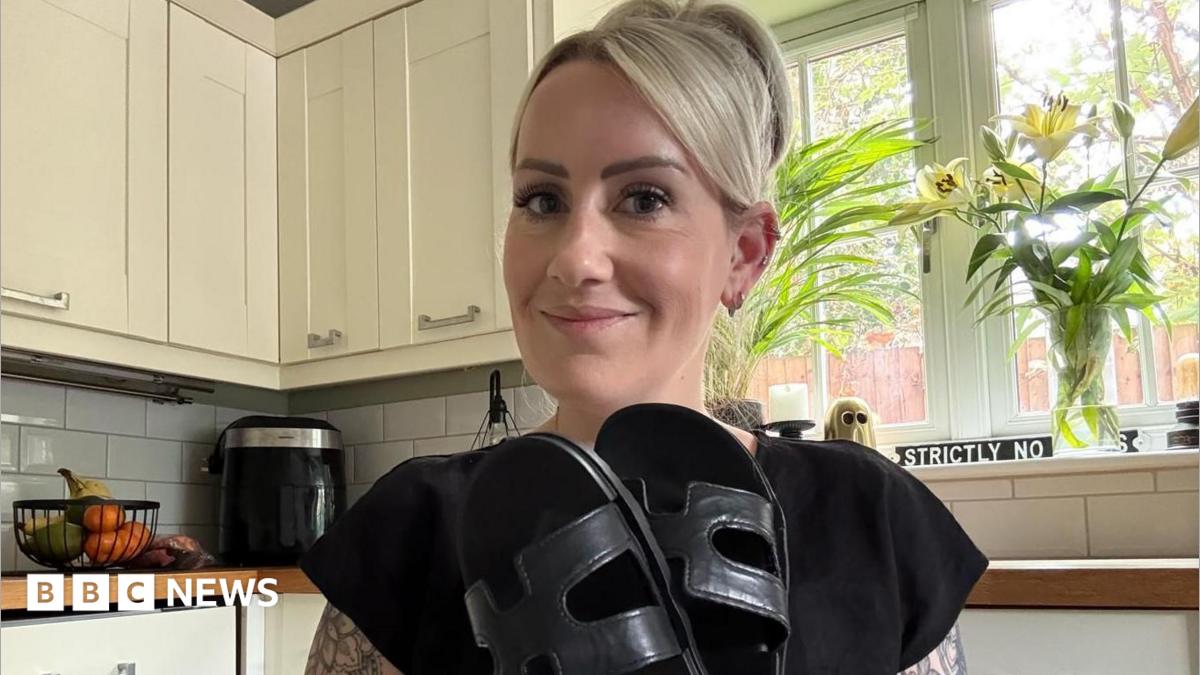
Chloe, a 27-year-old from London, experienced rough sleeping last year after spending much of her childhood in contact with care and foster services. To avoid detection, she chose to sleep in parks away from central areas. She believes that any homeless person would accept a bed if accompanied by the appropriate support. Chloe highlights how “hidden homelessness,” such as sofa-surfing and living paycheck to paycheck, has become normalized and insists foundational issues must be addressed to ensure adequate help reaches those in need.
With assistance from Crisis, Chloe was housed temporarily and now has the opportunity to attend film school. Despite her challenges, she remains optimistic about a new scheme aimed at helping rough sleepers, asserting that most would welcome the chance for stability. “In general, people on the street want a home,” she says. “People usually end up coming back to homelessness for mental health or financial reasons. So if that could also be addressed, there is no person sleeping on the street right now who wouldn’t want some type of security.”
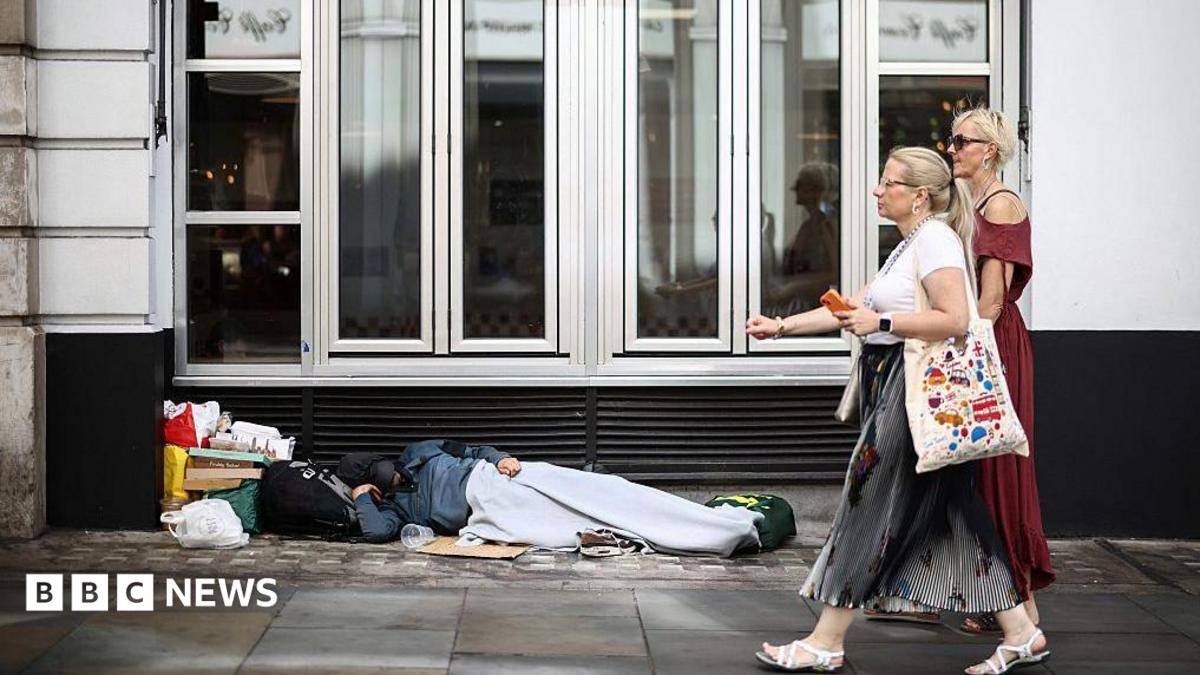
Another individual facing homelessness is Meron, who has been living in a tent inside a tunnel in central London for about two months. He became homeless after his three-month contract at an Amazon warehouse concluded. Meron explains the difficulties of street life, mentioning noise and lack of sleep but not safety concerns. Originally from Eritrea, he arrived in the UK alone three years ago and continues seeking work. Due to high costs in London, Meron is also applying for jobs elsewhere in the UK, hopeful that employment will lead to securing housing.
Addressing the broader issue, a government figure recently reflected in an opinion piece that for decades rough sleeping has been treated as a persistent reality to be managed rather than eliminated. The figure emphasized that every person living on the streets deserves a chance to rebuild their life, regardless of their background. Building on the success of the “Everyone In” initiative launched during the COVID-19 pandemic, which sheltered approximately 37,000 rough sleepers, this new plan involves £102 million in fresh funding, boosting the total investment against rough sleeping to £442 million. This funding aims to provide immediate support and create over 1,000 permanent homes within three years, alongside intensive wraparound services such as mental health and addiction support.
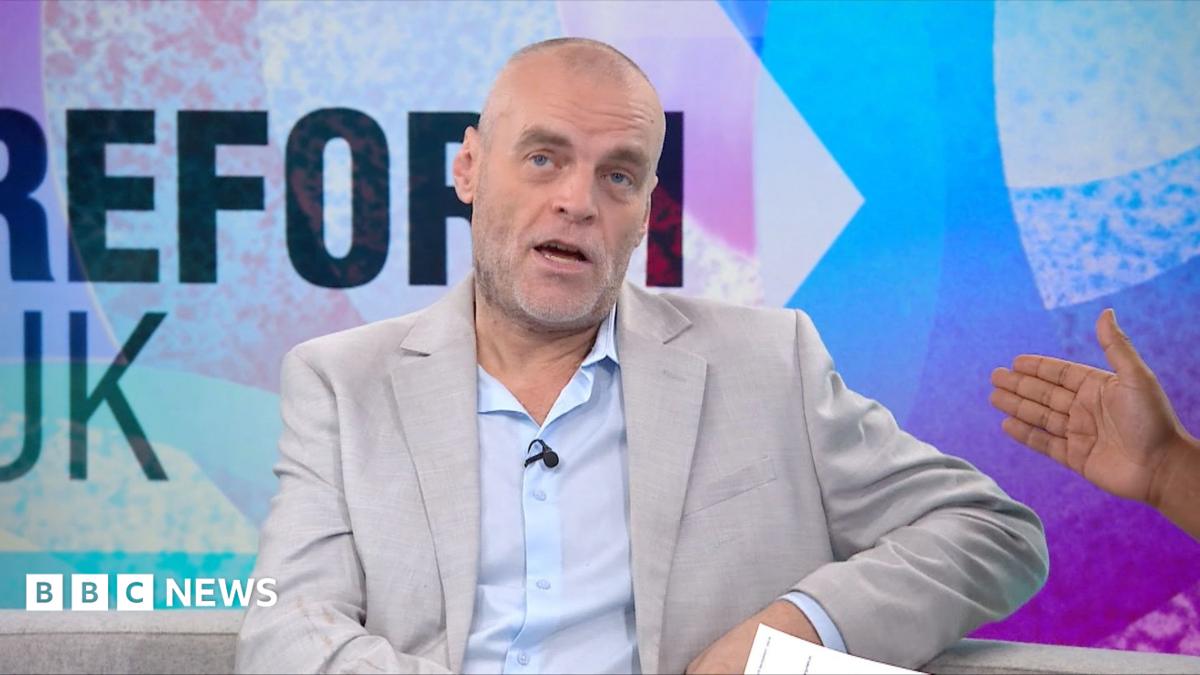
The government leader plans an autumn conference to engage businesses, charities, faith groups, and local authorities, focusing on collaborative solutions tailored to areas most affected. Charities like Crisis and Shelter have welcomed the announcement, though they stress the need for preventative measures and sustained government coordination to stop people from becoming homeless in the first place. While some political opponents praise the focus on rough sleeping, they caution that without a long-term commitment to building social housing and a clear funding plan, these efforts risk being temporary fixes rather than lasting change. Critics also highlight past failures and warn against political posturing that does not address the root causes of homelessness
Read the full article from The BBC here: Read More
Auto Amazon Links: No products found.