Auto Amazon Links: No products found.
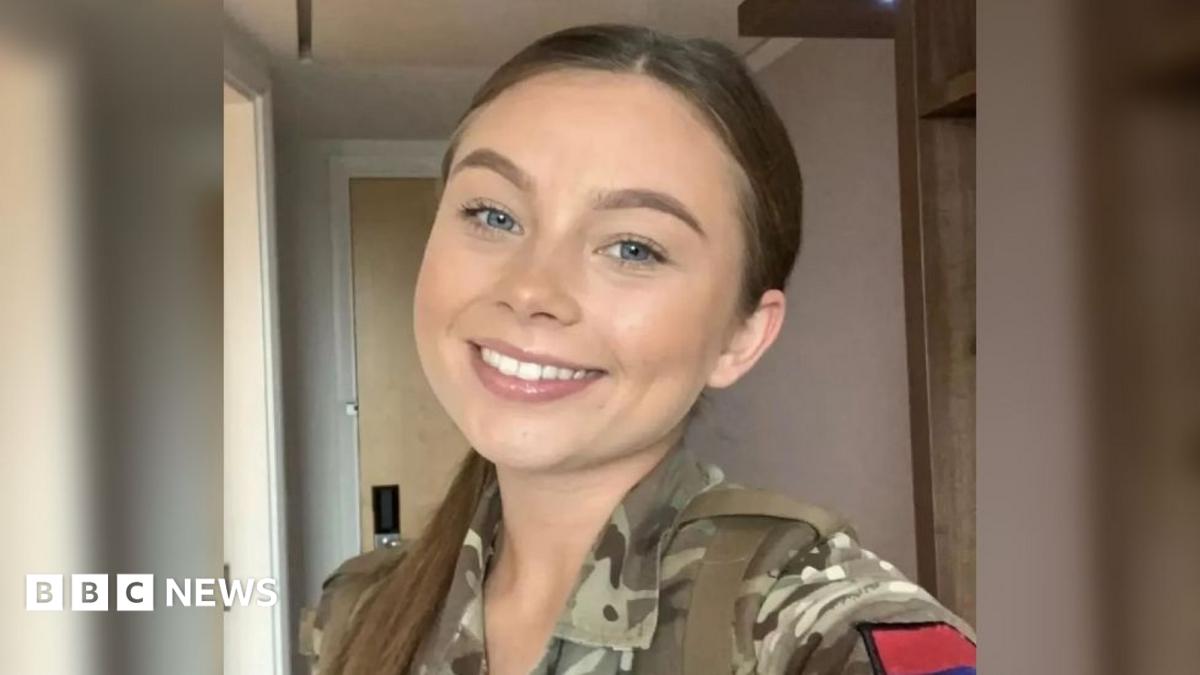
A confidential Ministry of Defence (MoD) report, obtained by the BBC, has revealed significant shortcomings within a newly established military command tasked with investigating the most serious offenses, including rape and sexual assault. This unit, known as the Defence Serious Crime Command (DSCC), was set up following the tragic death of 19-year-old Gunner Jaysley Beck. An inquest into her passing found that the Army’s mishandling of her sexual assault and harassment complaints contributed to her decision to take her own life, exposing widespread systemic failures.
Established in 2022, the DSCC was intended to operate independently from the military chain of command to ensure thorough investigations into grave crimes. However, an internal review conducted between August and November 2025 under the supervision of a former senior civilian police officer, pointed out ongoing issues with the command’s effectiveness. The review suggested that if the DSCC were evaluated against the standards applied to civilian police forces, it would face a high likelihood of being rated inadequate. The MoD has acknowledged these findings and highlighted that substantial efforts have been made since, including increased investment in victim and witness support, enhanced governance and safeguarding measures, and accreditation of investigators to nationally recognized policing standards.
The leaked document raised a series of concerns, noting numerous instances where the DSCC’s investigative processes were hampered by delays, inconsistent procedures, excessive reporting demands, and unclear guidance. It also identified gaps in victim support, resource shortages, and workforce instability as significant obstacles. The report warned that without meaningful reform, trust in the military justice system risks eroding further. Leighann McCready, mother of Jaysley Beck, expressed her deep disappointment, stating that those serving in the armed forces “deserve so much better.” She highlighted troubling delays in the handling of her daughter’s case, fearing similar issues might deter other service members from reporting serious crimes.
The review also emphasized the need to strengthen leadership within the DSCC, especially in handling sensitive cases such as rape and serious sexual offenses. Despite reforms, barriers persist for victims, including fear of disbelief, worries about career consequences, unclear reporting routes, and a lack of confidence in both the chain of command and military policing. Other cases revealed by the BBC further underline these difficulties. For instance, a woman referred to as ‘Kate’ criticized the unit’s handling of her rape allegation against an Army colleague, alleging missed lines of inquiry despite supporting evidence. Emma Norton, founder of the Centre for Military Justice, shared that the report echoes experiences of many clients who still face poor complaint procedures and inadequate responses to coercive behavior within military policing. Another case involved Rosie (not her real name), who reported a violent assault by her partner in the Army, yet the DSCC failed to initiate charges within the necessary six-month timeframe. The DSCC later apologized, attributing the delay to a heavy caseload and admitting the service provided fell short of acceptable standards
Read the full article from The BBC here: Read More
Auto Amazon Links: No products found.