Auto Amazon Links: No products found.
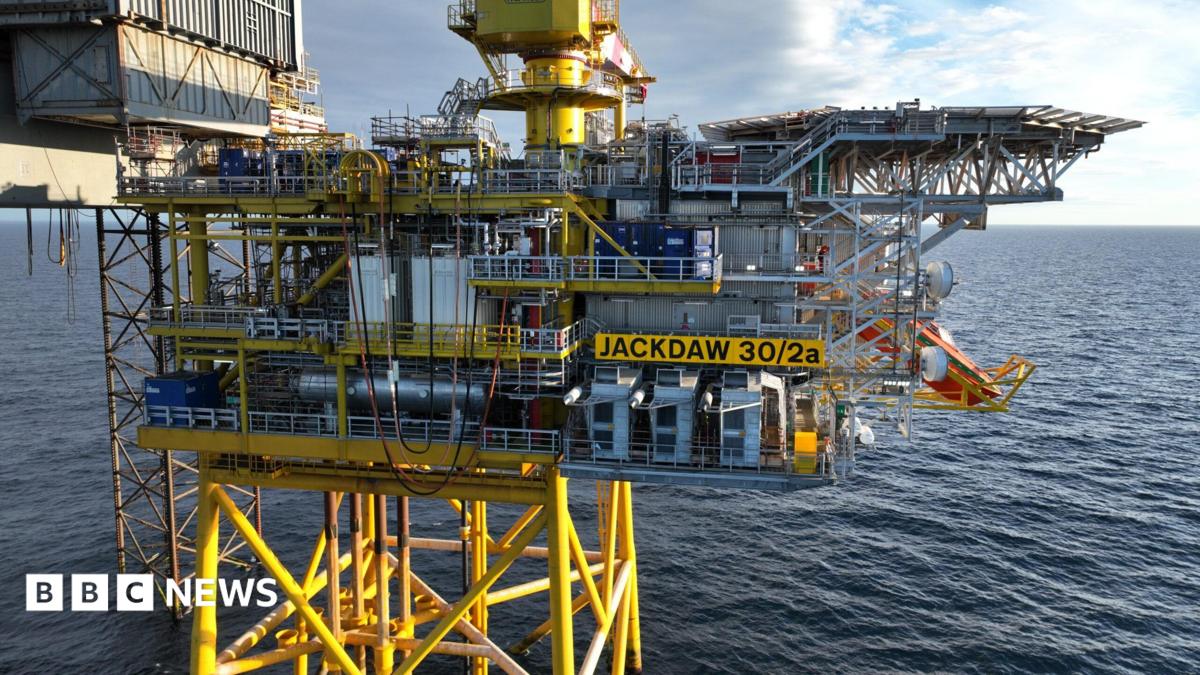
As the decision on whether to permit new drilling activities in the North Sea nears, the prime minister faces mounting pressure amid contrasting views on the future of oil and gas exploration. Two consultations are currently underway: one concerning the Jackdaw gas field located about 150 miles east of Aberdeen, which is closing soon, and another on the Rosebank oil field situated northwest of Shetland, set to close next Monday. Both fields had previously received production approval under the Conservative government, but those decisions were overturned by a court following a legal challenge from Greenpeace. Consequently, the Labour government must now decide how to move forward.
Environmental organizations are strongly urging the prime minister to reject permission for further oil and gas extraction at Jackdaw and Rosebank, emphasizing the urgent need to combat climate change. Lang Banks, director of WWF Scotland, highlighted the choice politicians face: continue exacerbating the climate crisis or support a transition to a more sustainable future. He pointed to recent extreme weather events, including wildfires near Aberdeen, warning that approving new developments would only worsen climate issues without reducing energy costs for UK consumers. Likewise, other groups argue that the limited remaining oil and gas reserves in the North Sea would have minimal impact on prices or energy security, while contributing significantly to carbon emissions.
On the other hand, supporters of continued drilling assert the importance of safeguarding jobs and energy supply, with backing from industry representatives, opposition parties, and even former US President Donald Trump. David Whitehouse, CEO of Offshore Energy UK, described the Jackdaw field as one of the lowest-emission developments globally and stressed the ongoing need for oil and gas during the transition to cleaner energy. He emphasized prioritizing domestic production to reduce emissions linked to imports and noted that one in thirty jobs in Scotland depends on the oil and gas sector. Various trade unions, the Conservatives, and President Trump have echoed this viewpoint, underscoring the sector’s role in protecting employment and economic stability.
Within Labour, opinions remain divided, reflecting the tension between upholding environmental commitments and supporting workers in traditional industries. Some members, like Scottish MP Graeme Downie, advocate for managing the North Sea’s decline responsibly, warning that failing to proceed with projects like Jackdaw and Rosebank could result in job losses, reduced investment, and erosion of expertise. However, others caution against granting new licenses, referencing Labour’s 2024 manifesto pledge not to issue new drilling permits. Polling data suggests that the party has regained some voters from the Greens under the current leadership, but approving new drilling projects could jeopardize this progress. Meanwhile, Green Party leader Zack Polanski condemned the potential approvals as a “dereliction of duty,” highlighting the minimal job creation promised and accusing fossil fuel companies of prioritizing profits over public welfare. A government spokesperson affirmed the continued importance of the North Sea for energy security, jobs, and economic growth, reaffirming their commitment to balancing oil and gas production with renewable and low-carbon technologies
Read the full article from The BBC here: Read More
Auto Amazon Links: No products found.