Auto Amazon Links: No products found.
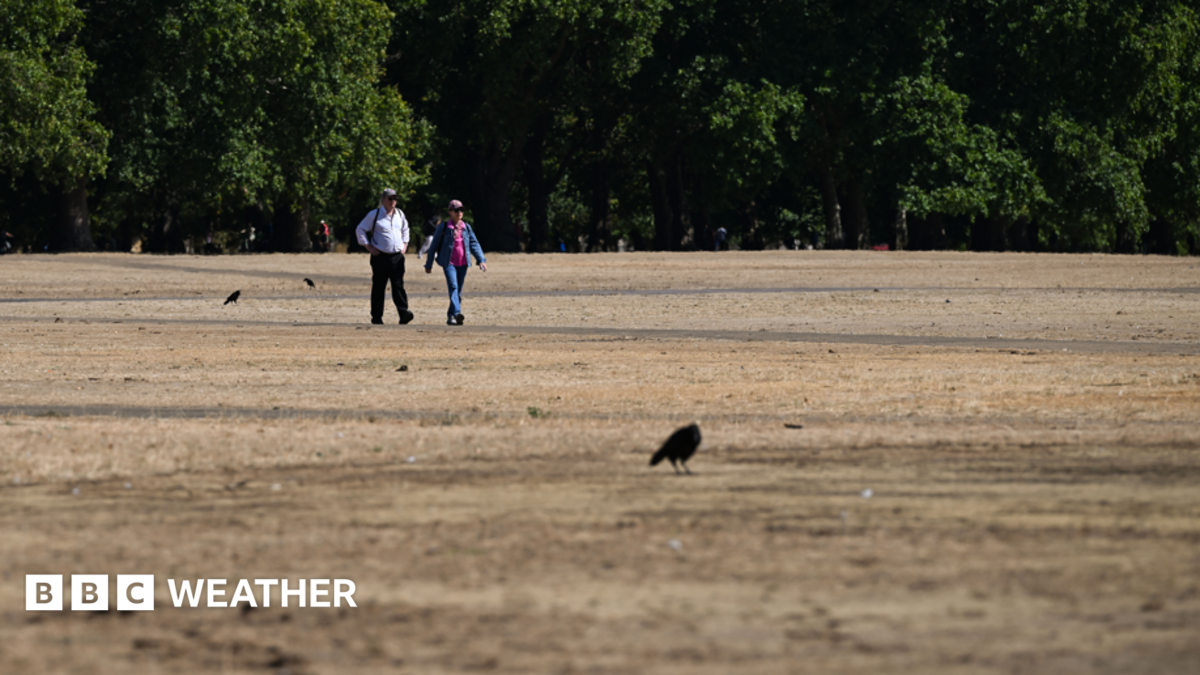
Currently, half of England and all of Wales have been officially declared to be in drought conditions. With little rainfall anticipated in the near future, the Environment Agency has indicated that more parts of England might soon be added to the list of drought-affected regions. The ongoing dry spell has caused alarm, with the National Farmers Union cautioning that persistent lack of precipitation could result in shortages of certain food supplies.
The situation has been exacerbated by falling river levels, following seven consecutive weeks with less than 10mm of rainfall across England. Particularly, regions in the east and south-east have experienced extremely dry conditions, receiving less than 1mm of rain, according to the Environment Agency’s recent drought report. Reservoirs are also diminishing at an alarming rate, with nearly all in England sitting below normal levels. Five reservoirs have even been categorized as ‘exceptionally low.’ For example, Wisley in Surrey has not recorded any rain for over 50 days, while much of southern England is nearing two months without significant rainfall.
While southern parts of England and Wales continue to endure dryness, the northwest of Scotland has seen contrasting weather patterns. The Met Office reported that this area received more than half a month’s worth of rain within just two days. This stark difference illustrates the varied climatic conditions across the UK at present.
Looking ahead, upcoming weather forecasts suggest some temporary relief from the intense heat at the start of the week, followed by a return of rising temperatures. On Monday, cooler air will begin to influence the northern regions of the UK, with highs ranging from 18 to 24 degrees Celsius, while southern regions will remain warm, albeit slightly cooler than the previous day, with temperatures between 22 and 27 degrees Celsius. By Tuesday, warmer air is expected to return, particularly affecting central southern England, the Midlands, and east Wales, with temperatures climbing to between 27 and 30 degrees Celsius. Yellow heat-health warnings remain active across much of England until the evening of Tuesday, with the possibility they will be extended or intensified as the heatwave continues.
Temperatures are predicted to rise further on Wednesday, with much of England and Wales experiencing highs in the high twenties and low thirties Celsius. The most extreme heat is forecast for Thursday, when temperatures could soar to 36 degrees Celsius in south-east England and up to 35 degrees Celsius in central and eastern England. This would mark an unprecedented fourth consecutive month during which the UK reaches temperatures of 35 degrees Celsius or higher. Many places are expected to surpass their local heatwave thresholds, which range from 25 to 28 degrees depending on the area, for the first time this season. Some of the heat will also spread to northern England, Scotland, and Northern Ireland, where temperatures are expected to reach the low to mid-20s Celsius. Nighttime temperatures are predicted to remain relatively high, making for uncomfortable conditions; minimum temperatures may not drop below 16 to 18 degrees Celsius in England and Wales. There is even a chance of experiencing a ‘tropical night,’ where temperatures stay above 20 degrees Celsius throughout the night, particularly in south-east England
Read the full article from The BBC here: Read More
Auto Amazon Links: No products found.