Auto Amazon Links: No products found.
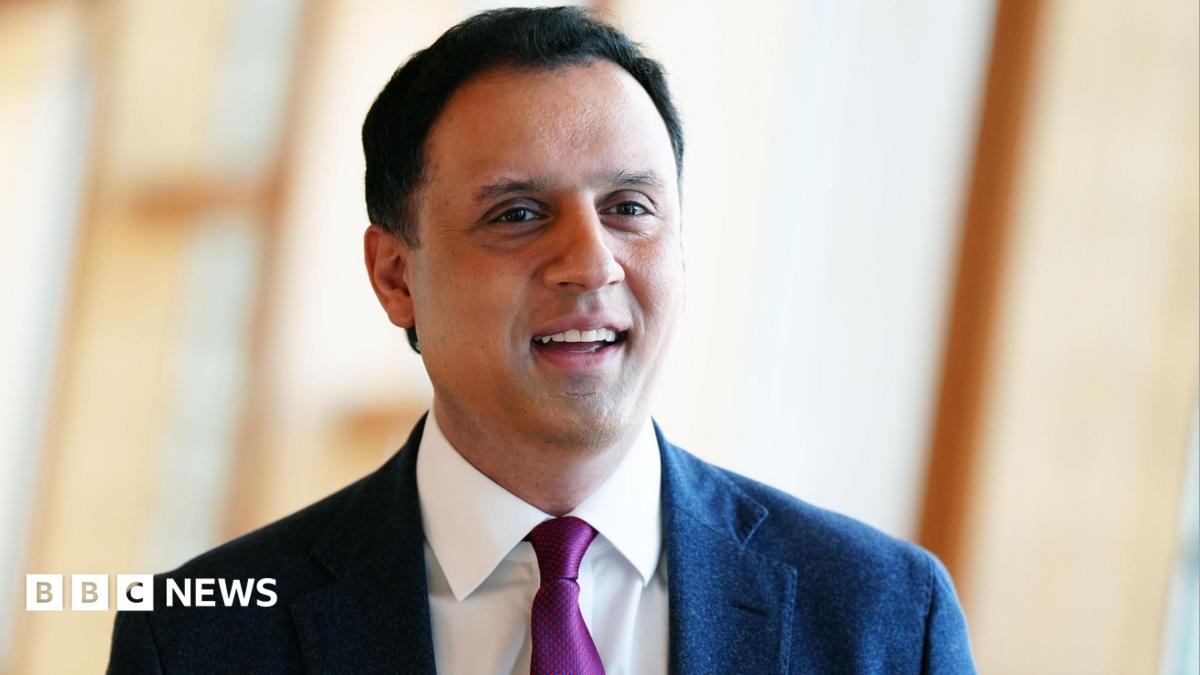
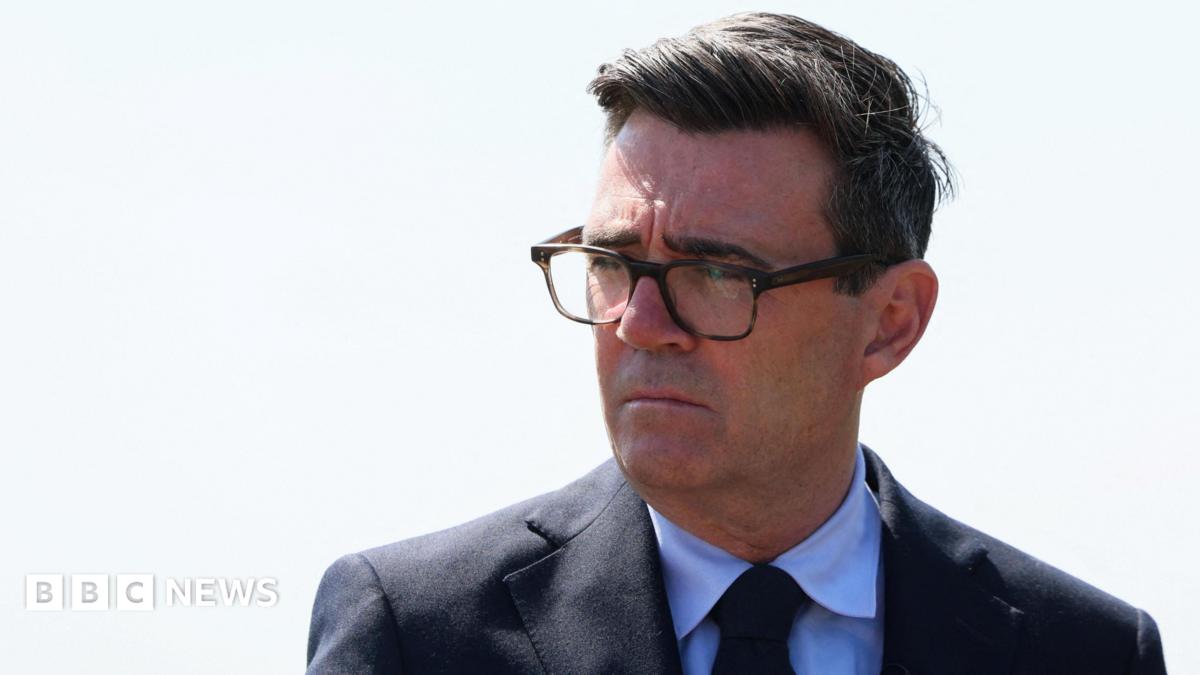
Prime Minister Andy Burnham has announced a series of consumer protection measures designed to end troublesome subscription traps and eliminate deceptive pricing tactics. These reforms, initially introduced under the previous leadership of Sir Keir Starmer, aim to simplify the cancellation of subscriptions and prevent retailers from using misleading “was” prices to create false impressions of discounts. Burnham emphasized that these changes will help families manage the pressures of the cost of living.
The government plans to accelerate the implementation of these policies, moving up the timeline from spring to January 2027. Originally introduced in April, the proposals are estimated to save consumers around £400 million per year, equating to approximately £170 per person. Burnham is currently engaging with communities across the UK during Parliament’s recess, presenting these as part of a broader strategy of practical solutions to alleviate financial strain on everyday households.
A significant aspect of the package includes outlawing the use of “pretend prices” in shops. This means retailers will no longer be permitted to display false “was” prices, fabricate discounts, or use misleading recommended retail prices (RRPs) to entice buyers. The government plans to hold a consultation this autumn to determine the specific details of how these new rules will be enforced. Consumer advocacy group Which? has expressed strong support for the crackdown, highlighting its past efforts to expose deceptive marketing practices by several well-known companies.
Despite the positive reception from consumer groups, the announcement has faced criticism from opposition figures. Shadow chancellor Mel Stride dismissed the measures as “reheated” and questioned why such legislation is only being enacted now, given that the cost of living crisis has been ongoing. He pointed to the Digital Markets, Competition and Consumer Act passed earlier in 2024, which already addressed hidden fees and subscription cancellations. Nonetheless, this move by Burnham follows other recent initiatives such as capping bus fares at £2 in England and reducing VAT on household electricity, although further budgetary constraints are expected to limit the scope of future government spending
Read the full article from The BBC here: Read More
Auto Amazon Links: No products found.