Auto Amazon Links: No products found.
The government has announced that some parents receiving benefits could receive up to £4,500 annually to encourage their children to begin apprenticeships. This initiative aims to support families by providing a bursary that compensates for any Universal Credit payments lost when young people start paid apprenticeship roles.
This financial assistance is designed to help a few thousand households who might otherwise face reductions in their benefits ranging from £17 to £330 per week upon their child’s entry into apprenticeships. The move comes amid concerns that current benefit rules, which treat apprenticeships as paid employment, can reduce support payments, creating financial disadvantages for families and discouraging young people from pursuing these opportunities.
The bursaries will be funded from a £30 million pool, sourced through the growth and skills levy—a tax imposed on employers with annual wages exceeding £3 million. This strategy follows a report by the Social Security Advisory Committee, which highlighted the unintended “perverse effects” of the benefits system on young people’s career choices. The committee noted that situations such as single parents with disabled children could lose more benefits than the salary their child earns from an apprenticeship, diminishing the incentive for young people to enter the workforce through this path.
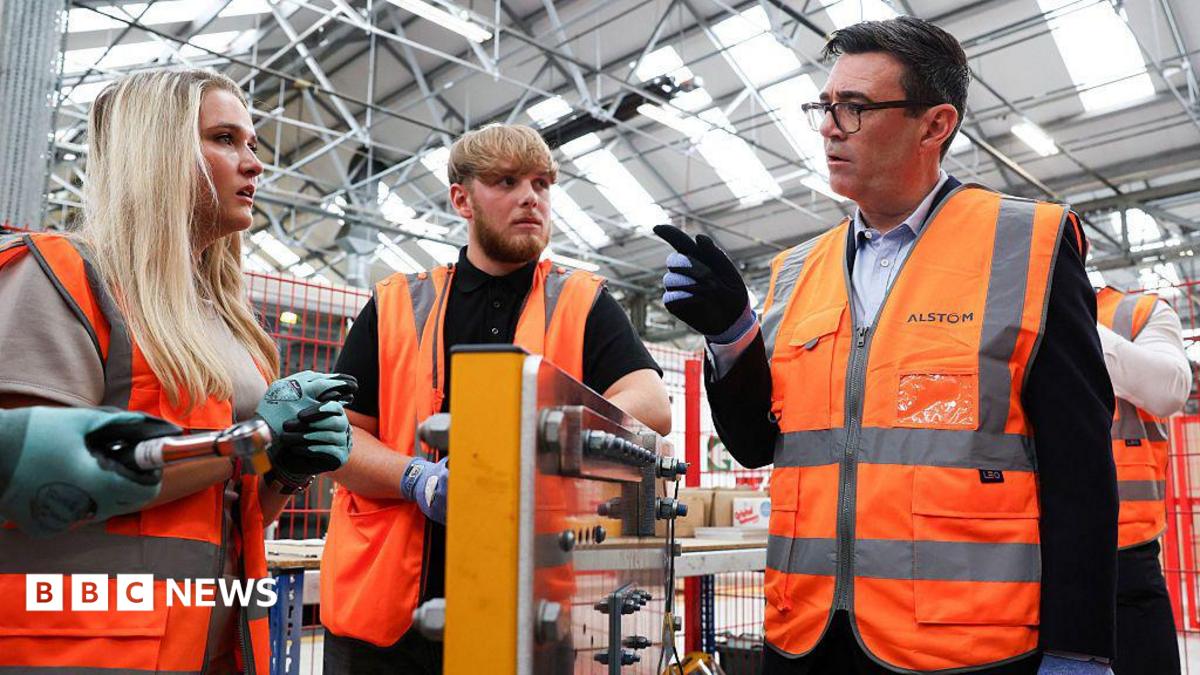
Government officials have expressed optimism about the bursary’s potential to remove barriers for apprenticeships. Work and Pensions Secretary Pat McFadden emphasized that the scheme ensures cost is not a deterrent for young individuals seeking these opportunities, with full funding provided for training. However, some political voices, including Shadow Work and Pensions Secretary Helen Whately, have raised concerns about the funding, criticizing the plan as “uncosted” and potentially reliant on reallocating existing funds rather than new financial commitments. Meanwhile, Prime Minister Andy Burnham has stressed his commitment to tackling the rise in young people not in education, employment, or training (NEET), aiming to halt this troubling trend while balancing academic and technical education priorities
Read the full article from The BBC here: Read More
Auto Amazon Links: No products found.