Auto Amazon Links: No products found.
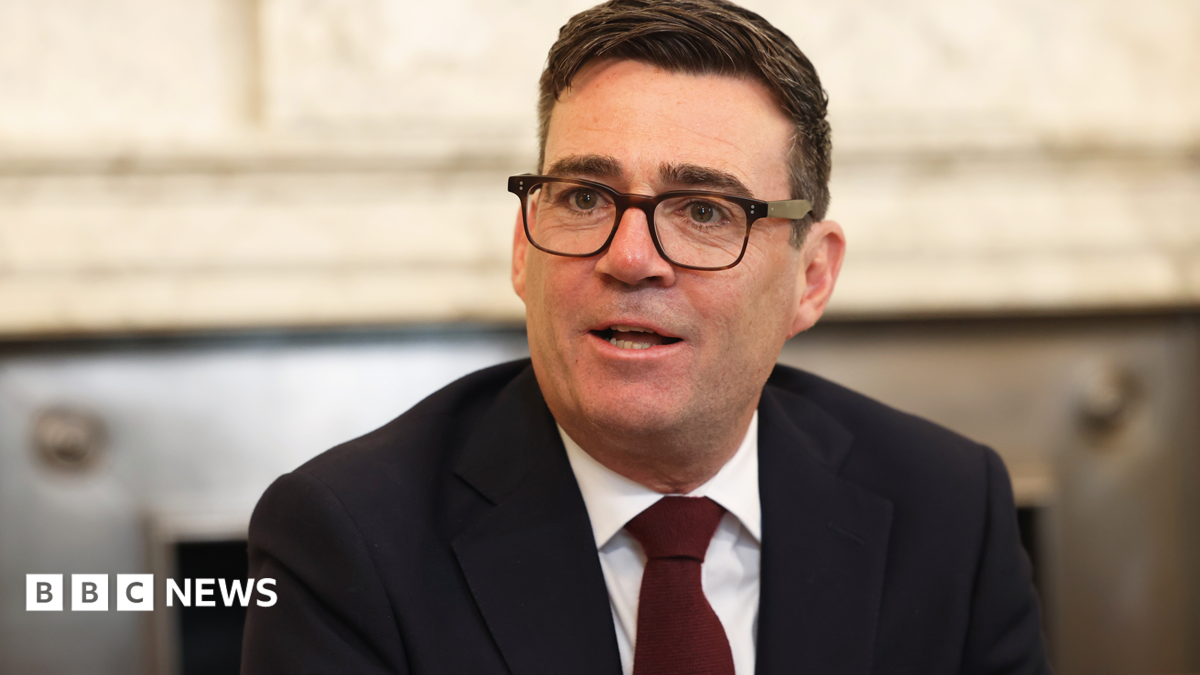
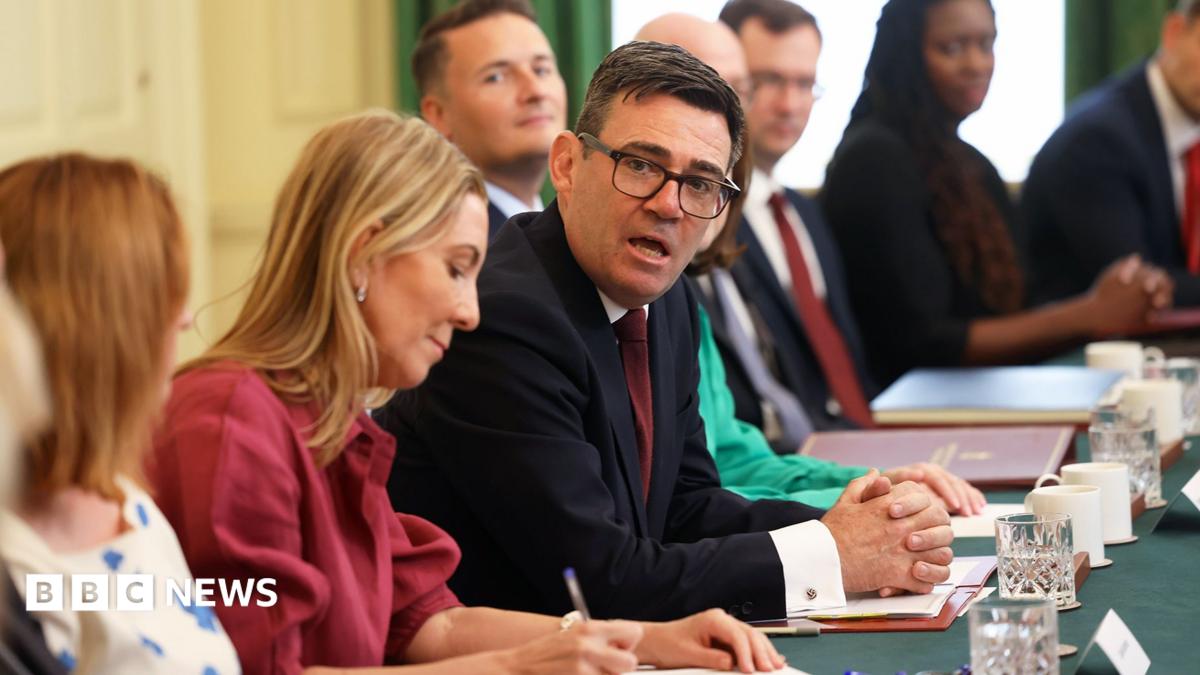
Andy Burnham has pledged to prioritize the cost of living as he led his inaugural cabinet meeting as prime minister. Addressing his senior team, Burnham emphasized the urgency of helping households cope with rising expenses, promising that his government would focus on delivering tangible relief. Among his initial actions was the announcement of a VAT reduction on household energy bills starting in October, marking his first major policy declaration since assuming office.
The financing of this VAT cut sparked immediate debate. Burnham proposed funding the £850 million cost for the remainder of the financial year by cancelling the digital ID scheme initiated by Sir Keir Starmer, which had a budget of £1.8 billion over three years. However, figures loyal to Starmer, including Darren Jones who was recently dismissed from the cabinet, challenged this approach by labeling the digital ID project as “unfunded,” highlighting the need for clarity on where the money would actually come from. Critics from opposition parties also pointed to previous rulings by the government’s budget watchdog, which stated that funding for the digital ID was expected to be allocated from existing departmental budgets. Tory shadow chancellor Sir Mel Stride accused the Labour government of recklessly handling public finances barely a day into its tenure. In response, Burnham’s spokesman assured that the VAT cut would be financed by redirecting departmental savings originally identified for the ID scheme.
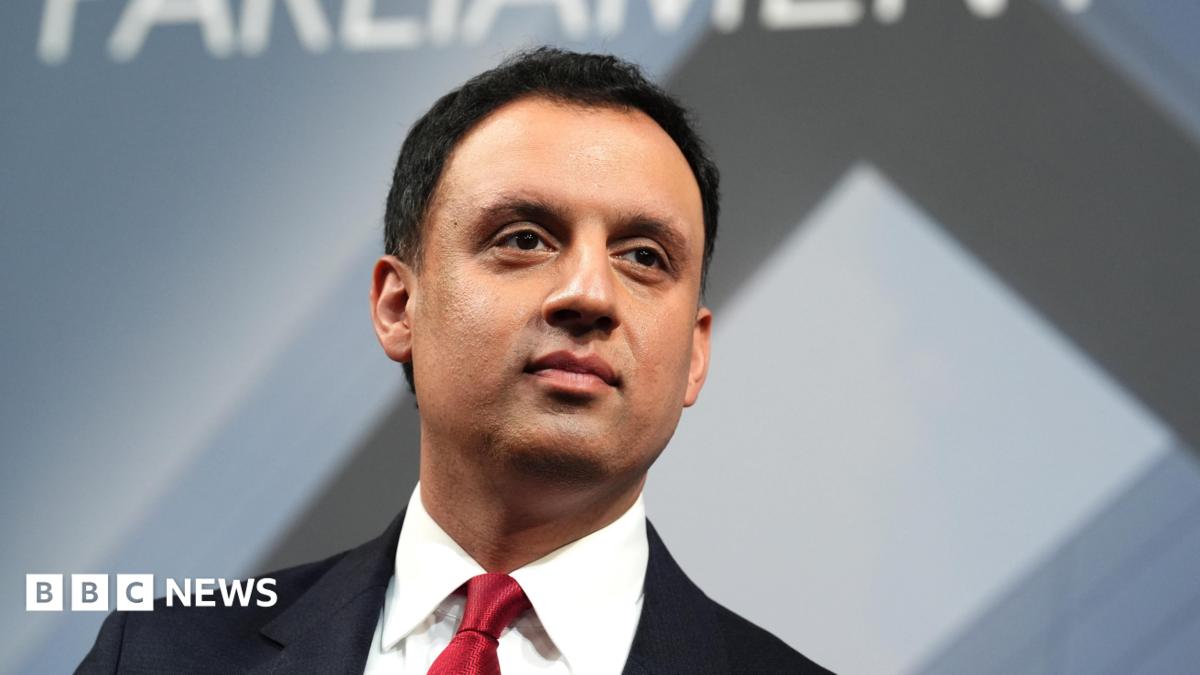
Burnham received applause from his cabinet as he opened his first meeting after assembling his top team on Monday. While cabinet appointments were largely completed, additional roles below cabinet rank were anticipated to be announced soon, including that of Scottish Labour leader Anas Sarwar. Sarwar is expected to join the government via a peerage in the House of Lords to take up a ministerial position, believed to be business minister. Due to his new role, Sarwar will have to resign his seat in the Scottish Parliament, though his regional list seat will not trigger a by-election. The reshuffle also saw notable Starmer loyalists like Rachel Reeves and David Lammy leave government posts, while Ed Miliband was promoted to foreign secretary and Burnham ally Louise Haigh was given a significant role running the Cabinet Office. Miatta Fahnbulleh, energy secretary and Burnham supporter, dismissed claims that the reshuffle was a purge of Starmer’s backers, stating on BBC Newsnight that “no one has a right” to a cabinet position and emphasizing the inclusion of diverse viewpoints.
During the cabinet meeting, Burnham reiterated that tackling the cost of living crisis would be a top priority, pledging further measures in the days ahead. He tasked ministers with proposing ideas to reduce household expenses and highlighted that policy funding would require careful budget discipline and reprioritization until the government’s first Budget is presented. One of Burnham’s early spending decisions included allocating an additional £340 million over five years to address rough sleeping, which is expected to be financed from unallocated funds within the housing department’s budget. Additionally, Burnham agreed to continue allowing British military bases to support US defensive strikes against Iran, specifying that facilities like Diego Garcia and RAF Fairford would be used solely for defensive purposes. The VAT cut on energy bills is anticipated to save the average household around £45 annually and will apply across England, Wales, and Scotland, but not Northern Ireland due to post-Brexit arrangements. Instead, the Northern Ireland Executive has been offered extra Treasury funds to implement its own cost of living measures.
In a further development, plans have been confirmed for a new Downing Street unit based in Manchester, dubbed No 10 North. Initially located in a building currently occupied by the intelligence agency GCHQ, this unit will oversee local economic growth and devolution strategies. A separate Office for the Prime Minister and the Cabinet is also being created to maintain departmental focus on key strategic goals. To support this decentralization, civil servants in London are being offered packages to relocate north, with Burnham intending to work from No 10 North at least one day per week. These organizational changes aim to reinforce the government’s commitment to regional development and ensure a clear focus on major priorities from the heart of the administration
Read the full article from The BBC here: Read More
Auto Amazon Links: No products found.