Auto Amazon Links: No products found.
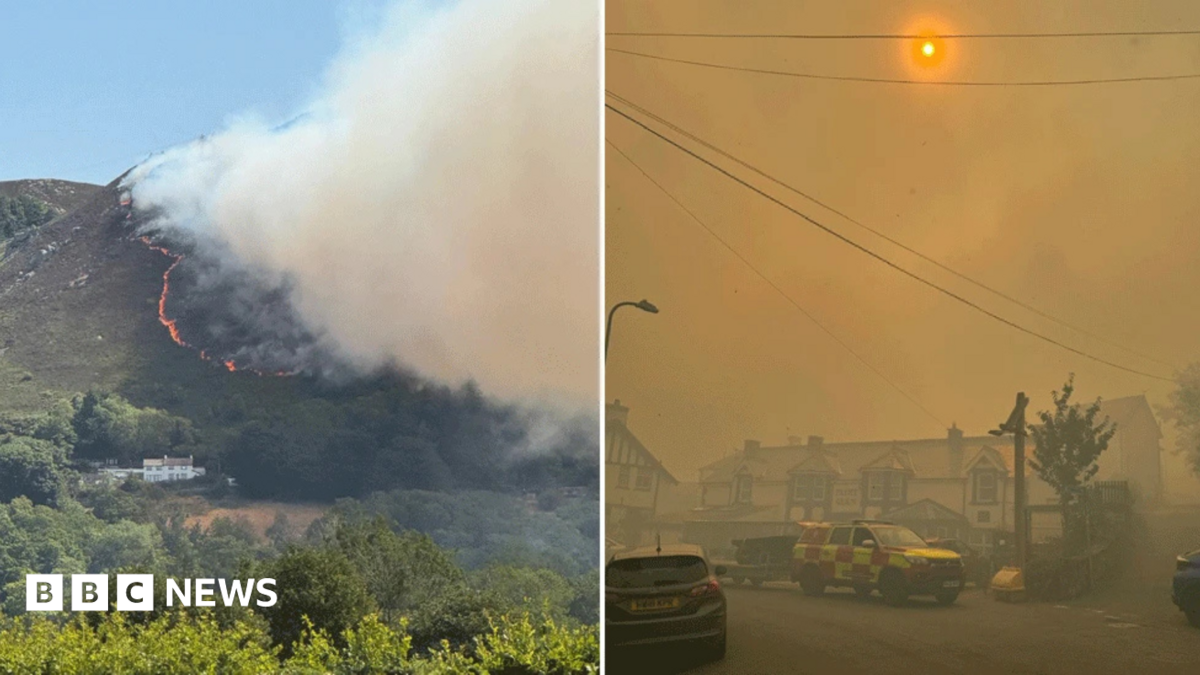
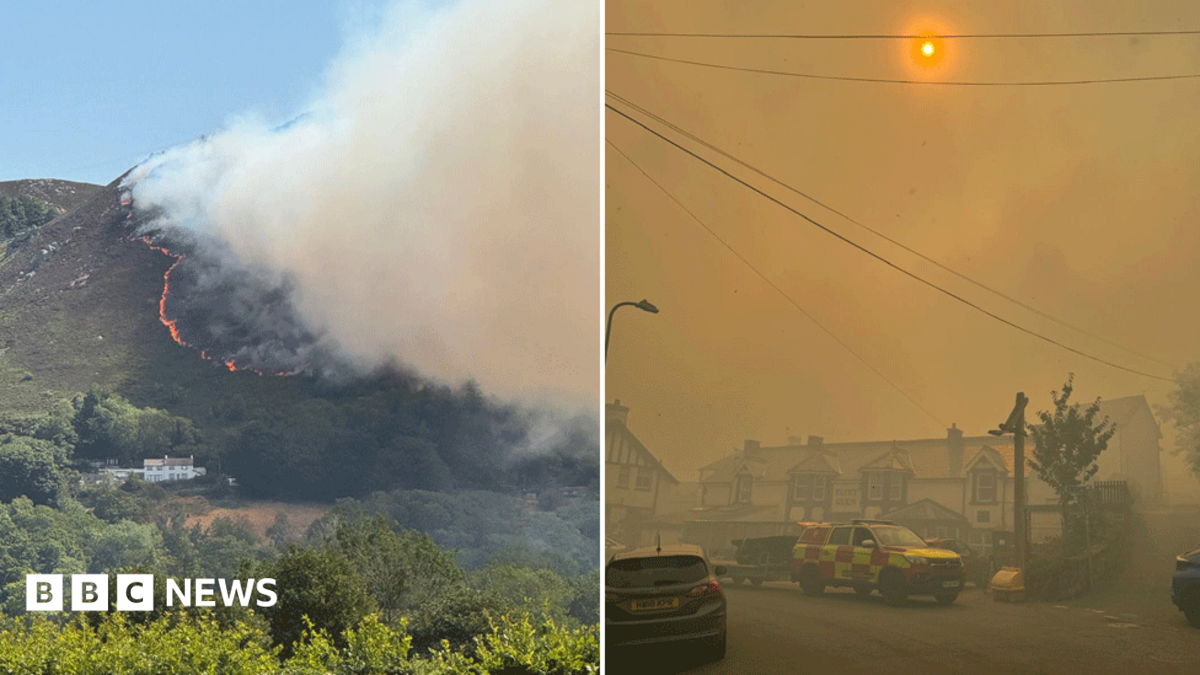
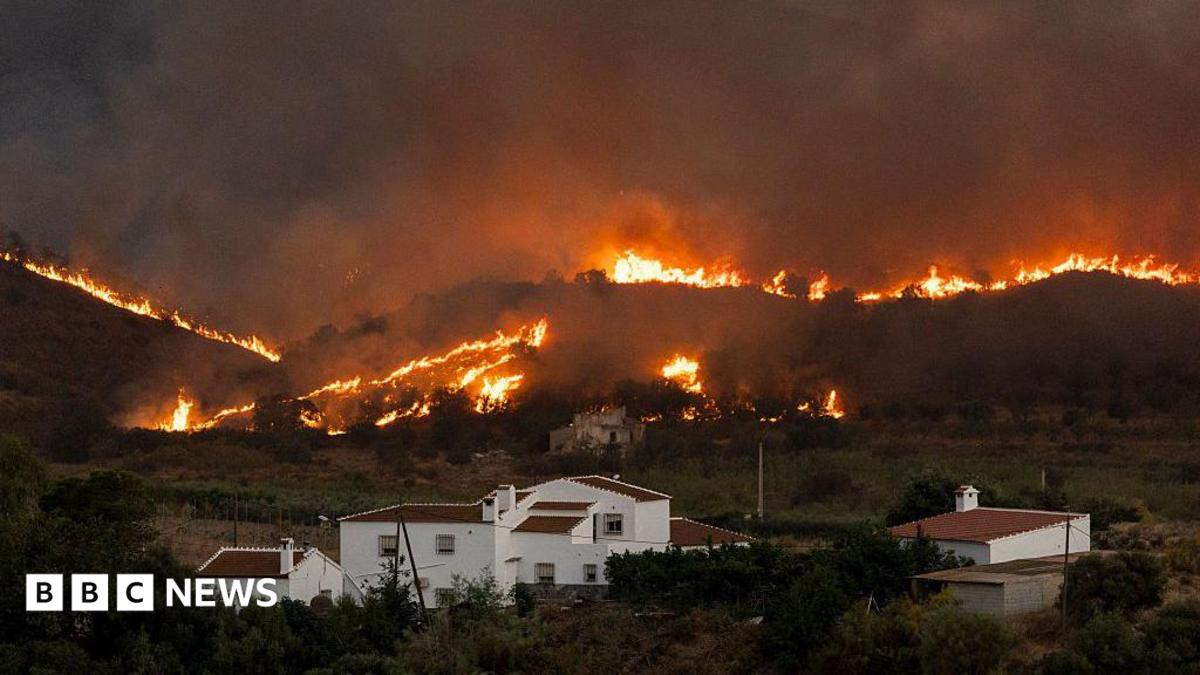
A British couple were found severely burned and barely conscious in a ravine after being caught in the intense wildfires that swept through Spain’s Almeria province. According to local reports, the pair had been hiking when the fire rapidly engulfed the area on Thursday. They were promptly evacuated and transferred to a hospital, where they remain in intensive care. The blazes have thus far resulted in 12 fatalities, including four people believed to be British, and have consumed approximately 6,600 hectares (16,300 acres) of land, according to authorities. Official confirmation of the victims’ identities has yet to be released.
The discovery of the injured couple came early on Friday near the severely affected village of Bedar when Civil Guard officers conducting search-and-rescue operations heard distant cries for help. Sergeant Pedro Barre, one of the rescuers, recounted to Spain’s TVE broadcaster how experience urged them to keep searching despite difficulties: “As you gain more experience, something inside you tells you, ‘Look again, try one more time.'” Climbing down a slope, the team located the couple, who were in dire condition with burns covering 40% of their bodies. Rafael Zea, another officer in the rescue effort, emphasized the enormity of their effort, stating, “Being able to call out in the condition they were in was a titanic effort.” Barre also recalled the emotional moment, adding, “We’ll never forget that look of surprise and emotion on their faces.”
By Sunday, the fire had been contained and its perimeter secured, according to Juan Manuel Moreno Bonilla, head of Andalusia’s regional government. He announced the downgrading of the overall alert via social media. Firefighters benefited from calmer winds and increased humidity on Saturday, which helped gain control over the blaze. Regional emergency chief Antonio Sanz reported that about 600 of the roughly 1,500 evacuees in Almeria province had been allowed to return home. Despite this progress, police maintained roadblocks near Bedar to restrict access to parts of the affected zone.
Residents in and around the village gathered, anxious to assess the condition of their properties. Many expressed uncertainty about whether their homes had survived the fire, as police controlled entry points with barriers and officers. Among those awaiting access were Mike and Belinda Lithgoe from Cornwall, who own a holiday home nearby. Since the fires began, the couple had been staying in their camper van with their dog, Rocket. They were granted a brief, one-hour window to check on their house following discussions between village officials and emergency services. Belinda said, “We’re waiting to see if our house is still there,” and expressed hope since the smoke appeared on the opposite side of the mountain when they fled. Mike added, “You hope it will have gone down the ravine and round rather than up through the village.”
Another resident, Emma Mitchell, questioned the official narrative that some victims had not followed designated evacuation routes during the emergency. Emma, who has lived in the area full-time for three years, stated, “We’ve lived here for three years full time and there has never been information that you should take this road if there is a fire, never.” Additionally, a Belgian man’s son dismissed claims his father and others ignored instructions to shelter in place, telling Reuters that emergency services had provided no such guidance. Emma also criticized the decision not to send a mass text alert to mobile phones, comparing it to earthquake warnings in other regions and lamenting the lack of official presence: “I think they should have done the mobile alert, as they do for earthquakes. I know they said that it was too technical and complex… but the reality is, out here in Bédar, there are very few officials.” Authorities had previously said they avoided sending an alert on Thursday night to prevent causing confusion beyond the danger zone.
The wildfires come amid a persistent heatwave bringing temperatures around 40C (104F) to Southern Europe, affecting countries including France, Portugal, and Spain. Francisco Miguel Reyes, mayor of Los Gallardos, described the area’s devastation to Spanish radio Cadena SER: “It feels like a bomb has fallen on the area.” He added, “This is the first time we’ve faced a fire as devastating as this.” Emergency efforts involved hundreds of firefighters, military personnel, law enforcement officers, and about 30 aircraft. Madrid forensic teams have been working to identify victims by analyzing DNA samples from bodies and relatives, though progress has been slowed by difficulties in gathering these samples as family members come from other countries.
Currently, with at least 12 confirmed deaths, the fires rank among the deadliest in Spain’s history. Previous devastating events include the 1984 wildfire on La Gomera in the Canary Islands, which killed 20 people, and the 1979 forest fire near Lloret de Mar in northeast Spain that resulted in 21 deaths, including nine children. Experts attribute the increasing frequency and severity of wildfires to climate change, which has caused Europe to warm twice as quickly as the global average, with resulting hotter summers, added pressure on water resources, and more intense fires. France has also faced severe wildfires this summer, leading to the evacuation of over 10,000 residents near the Pyrenees foothills on Monday, and authorities announced on Saturday that 32 people had been arrested for suspected arson
Read the full article from The BBC here: Read More
Auto Amazon Links: No products found.