Auto Amazon Links: No products found.
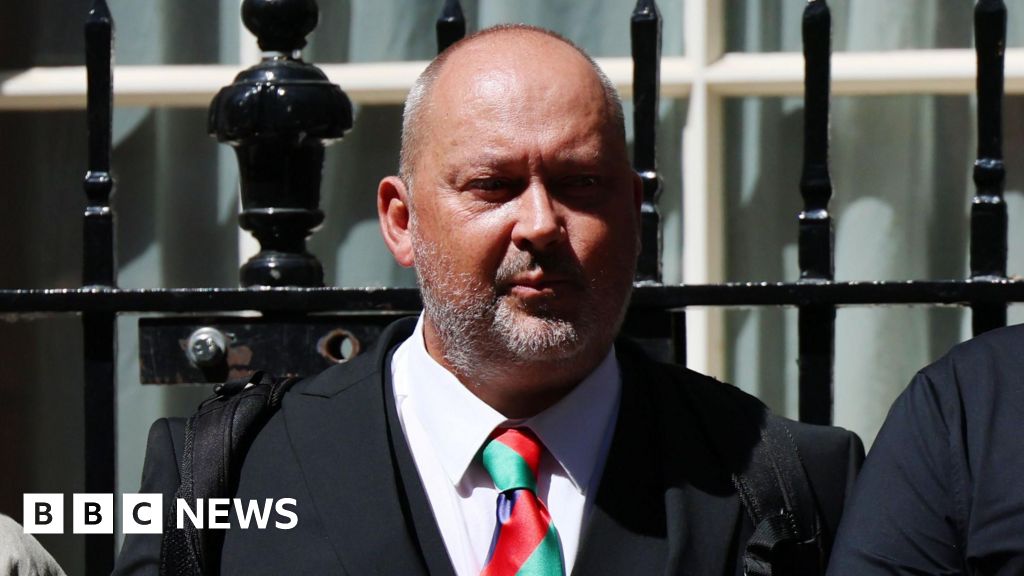
The jury hearing the sexual abuse case against Sir Jeffrey Donaldson was urged to recognise that the impact of his alleged actions against two women during their childhoods can no longer be ignored. This was emphasized during the prosecution’s closing argument at Newry Crown Court. Rosemary Walsh KC, representing the prosecution, highlighted that the severity of the former Democratic Unionist Party leader’s conduct, alongside the role of his wife, Lady Eleanor Donaldson, forms the central reason behind the trial.
Sir Jeffrey has entered a not guilty plea to 18 charges of sexual abuse, including one count of rape, with the alleged offences occurring between 1985 and 2008. Lady Donaldson faces five charges of aiding and abetting related to these claims. However, she is undergoing a trial of the facts due to being deemed unfit for a standard trial on mental health grounds and is not actively participating in the proceedings.
In her final remarks, Walsh stressed that the court’s purpose was not based on the notion that the two complainants—referred to only as Complainant A and Complainant B—had fabricated their allegations or were inventing stories. Rather, she asserted, “They were there because the sexual abuse they suffered has consequences – consequences that cannot be ignored and brushed under the carpet any longer.” Walsh further argued that when examining the evidence collectively, it becomes clear that the complainants “were telling the truth about what happened to them.” She praised their courage for stepping forward and confronting the situation despite the significant challenges involved.
Walsh recalled the visible emotional pain still experienced by the two women and detailed the difficult, prolonged process they endured after raising their allegations. She underlined that this was not a trivial matter or something the complainants pursued lightly. The barrister explained that the complainants had suppressed their feelings for many years until certain turning points in their lives led them to report the abuse to the police in March 2024. Walsh also pointed out the unique difficulties faced by Complainant A, who was aware that taking on a figure of Sir Jeffrey’s status would not be straightforward and represented a “huge, huge decision.”
The prosecution highlighted an important meeting at the Christian Family Centre in Armoy during the 1990s, which involved Sir Jeffrey, Complainant B, and the centre’s founders. This meeting followed Complainant B’s disclosure of the alleged abuse to a pastor. Although Sir Jeffrey apologised during this encounter, he clarified that his apology was not an admission of guilt but rather a regret if he had caused discomfort. Walsh described this meeting as significant because it aligned with Complainant B’s account and demonstrated Sir Jeffrey’s tendency to change his narrative. The prosecution also referenced a letter written by Sir Jeffrey to Complainant A, in which he spoke of being in “a deep pit of sin” and acknowledged “deep wounds” he caused, which Walsh argued was highly relevant to the case.
Sir Jeffrey denies all allegations of gross indecency, indecent assault, and rape against both complainants. Meanwhile, Lady Donaldson, due to her mental health condition, is not participating in the trial but is subject to a trial of facts. The court continues to consider the complex and serious accusations as the case progresses
Read the full article from The BBC here: Read More
Auto Amazon Links: No products found.