Auto Amazon Links: No products found.
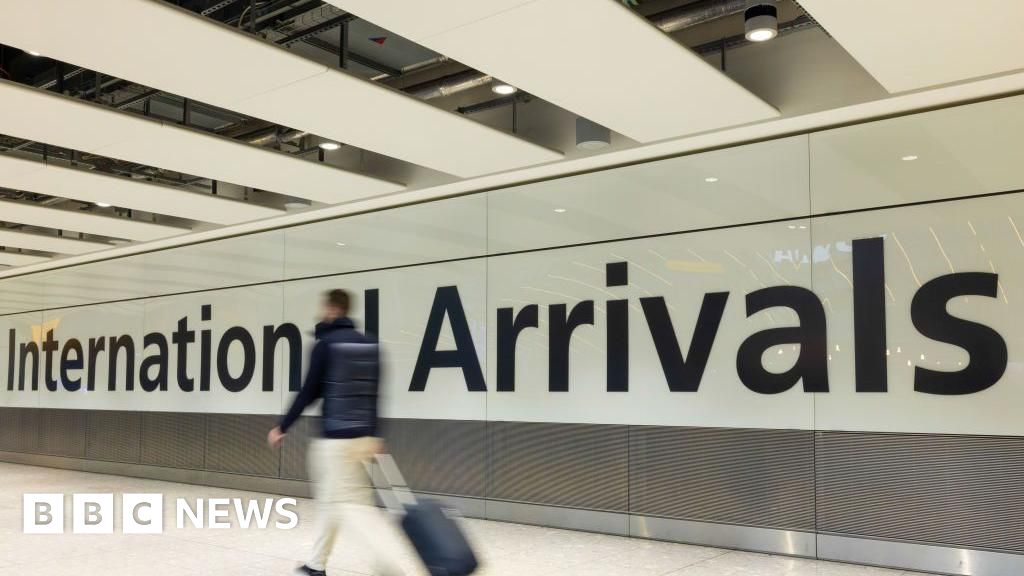
New figures from the Home Office reveal that net migration to the UK fell to 171,000 last year, nearly half the total recorded in 2024. This is the lowest level seen since 2012, discounting the period affected by the Covid pandemic. Despite the decline, Prime Minister Sir Keir Starmer acknowledged that further efforts are required, stating there is still “more to do.” The data also shows that 93,525 individuals claimed asylum in the UK during the year ending March 2026. Although this represents a 12% decrease from the previous year, it remains more than double the pre-pandemic levels.
The Office for National Statistics (ONS) highlighted that net migration is now at a similar scale to early 2021, coinciding with the introduction of a new immigration system and Covid-related travel restrictions. Sarah Crofts, the ONS deputy director, explained that the recent decrease is mainly due to fewer arrivals from outside the EU, especially for work purposes. The Home Office emphasized its commitment to “restoring order and control” over borders, with Home Secretary Shabana Mahmood pointing to the data as evidence of progress. Meanwhile, Shadow Home Secretary Chris Philp criticized the current government, insisting that Labour must “go further” in its immigration policies.
Policy changes introduced by the previous Conservative government in early 2024 are thought to have influenced the reduction in migration figures. The Labour administration has maintained and, in some cases, strengthened these measures. Among the changes are restrictions preventing most overseas students and care workers from bringing family members with them. Additionally, the salary threshold for skilled worker visas has risen significantly, from £26,200 to £38,700, while the minimum income requirements to sponsor family visas have also increased by over £10,000. These rules followed a period after Brexit when immigration surged due to eased salary thresholds and expanded routes for health and social care workers, a phenomenon critics called the “Boriswave.”
The data further reveals a sharp decrease in the number of asylum seekers housed in hotels, dropping to 20,885 in March 2026 from a peak of 56,000 in September 2023. Despite these declines, small boat crossings remain a significant factor among illegal arrivals, accounting for 90% of the 43,806 detected unauthorized entries in the year to March 2026. Commenting on the economic impact, Ben Brindle from the University of Oxford’s Migration Observatory noted that although migration of groups with positive or neutral economic contributions has declined, asylum-related migration remains high. Given that refugees commonly have lower employment rates and higher support needs, the recent migration composition is considered less favourable economically. The ONS also reported that around 800,000 people immigrated to the UK in 2025—a 20% drop compared with the previous year—while approximately 642,000 individuals emigrated in the same period
Read the full article from The BBC here: Read More
Auto Amazon Links: No products found.