Auto Amazon Links: No products found.
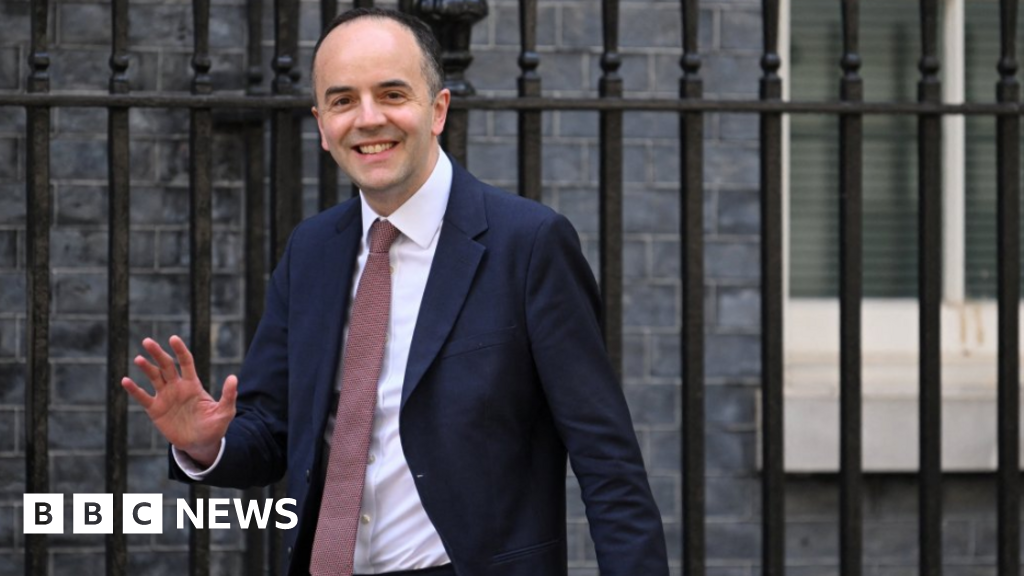
The recent change in the position of Health Secretary has attracted considerable attention within both political circles and the healthcare community. James Murray has taken over the role from Wes Streeting, moving from relative obscurity as an MP to one of the most significant Cabinet posts. The Department of Health and Social Care commands one of the largest public service budgets, making this appointment particularly noteworthy given the demanding responsibilities and the urgent issues awaiting resolution.
James Murray’s background includes his election as the MP for Ealing North in 2019 and prior experience as a Deputy Mayor of London and an Islington councillor between 2006 and 2016. Before entering Parliament, he worked as a management consultant. After Sir Keir Starmer became Labour leader, Murray joined the whips’ office following a short period on the health and social care select committee and is viewed as a loyal supporter of Starmer. Reflecting on his own health challenges in his maiden parliamentary speech in March 2020, Murray revealed that the NHS had been instrumental in his recovery from myasthenia gravis, a rare autoimmune neurological disorder. He expressed a firm commitment to the NHS, emphasizing the need to “win the battle for the NHS and the social care system that we need” and pledged to “fight every day for our NHS with the strength that it has given me back.”
The challenges Murray faces as Health Secretary are numerous and immediate. The ongoing dispute with junior doctors has led to 14 strikes since March 2023, with no current resolution. Additionally, the Royal College of Nursing stresses the urgent need to address the depleted and undervalued nursing workforce. Another persistent problem is the prevalence of corridor care in accident and emergency departments. Meeting Labour’s pledge that 92% of patients in England receive planned treatment within 18 weeks now rests with Murray, although many health experts doubt that this target can realistically be attained. Moreover, Parliament will soon consider the NHS Modernisation Bill introduced in the latest King’s Speech, which aims to dismantle NHS England, transferring its functions directly to the Department of Health and Social Care. This legislative process promises fierce debate and numerous amendments, along with inevitable job cuts and administrative upheaval.
Murray’s transition from Treasury minister to head of a substantial spending department is a significant shift in focus. As Chief Secretary to the Treasury, he had been involved in tough negotiations over healthcare funding, often countering demands from his predecessor in the Health Secretary position. His managerial expertise and his relationship with Chancellor Rachel Reeves are expected to assist him in navigating the financial dimensions of his new role. Nonetheless, patient advocacy groups have voiced concern about the impact of leadership change during a particularly sensitive period. The Leeds Maternity Families Group highlighted the importance of continuity for families affected by maternity care failings and ongoing inquiries into preventable harm. They questioned whether Murray would fully appreciate the gravity of these issues as his predecessor did. Beyond policy, Murray must also demonstrate empathy and connect with patients and NHS staff, a role Wes Streeting was known for. The success of a long-term NHS transformation plan and Labour’s performance in the next general election could hinge substantially on how well this new Health Secretary manages these responsibilities
Read the full article from The BBC here: Read More
Auto Amazon Links: No products found.