Auto Amazon Links: No products found.
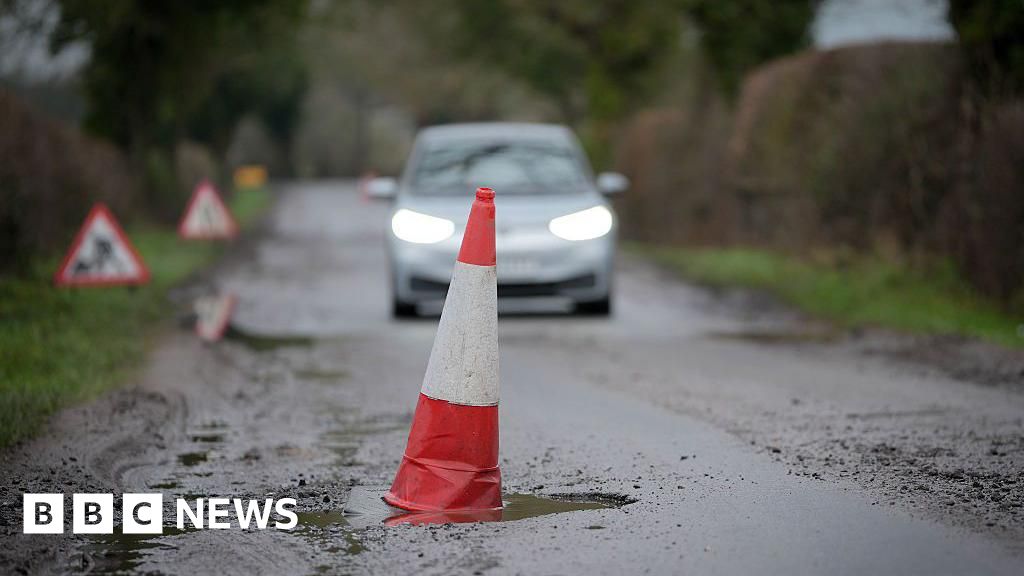
As voters prepare to cast their ballots in the upcoming English local elections this Thursday, the condition of local roads is emerging as a significant issue for many. Opinion polls indicate that potholes rank alongside cost of living, healthcare, and crime as a major factor influencing how people decide their vote. The presence of potholes not only causes costly damage to vehicles but also poses risks to cyclists and pedestrians, often serving as a visible indicator of a community’s overall maintenance.
Concern and frustration about deteriorating roads are frequently expressed by residents, some describing their streets as “undriveable” or in “dreadful” condition, while questioning how their councils are addressing the problem. According to a recent report, tackling the backlog of pothole repairs across England and Wales is estimated to cost around £18.6 billion, with the process potentially taking up to 12 years despite increased funding. Last year alone, the Asphalt Industry Alliance (AIA) noted that nearly 1.9 million potholes were filled.
Mark Morrell, widely known as Mr Pothole and a long-time campaigner for road repairs, has voiced his disappointment over politicians’ unfulfilled commitments. In his poem, *Hypocrisy on the Highway*, he highlights how urgency around pothole repair swiftly disappears once elections conclude. Morrell urges councillors to be transparent about the challenges they face and to develop realistic strategies if elected. Emphasizing the importance of detailed knowledge, he commented, “They need to find out what they’re talking about before making statements” and stressed the value of improved training, repair techniques, and an “invest to save” philosophy for maintaining the road network.
Political parties have presented various promises to address potholes, focusing not only on the volume of repairs but also on their quality. Reform UK points to the use of advanced technology to accelerate and improve fixes, while the Conservative Party advocates for a “national pothole patrol” deploying specialist teams with cutting-edge tools. The Liberal Democrats support empowering local councils to take decisions based on their unique needs, with spokesperson Zoe Franklin attributing road conditions to broader local government budget crises. The Green Party prioritizes maintaining existing roads over new construction, noting that potholes affect not just drivers but also pedestrians and cyclists. Labour, which directs council funding allocations, has announced £7.3 billion dedicated to local road maintenance over the next four years, including measures to ensure funds are spent effectively on pothole repairs.
The Local Government Association (LGA) acknowledges councils’ commitment to road upkeep but cites funding pressures as a major obstacle. It argues that longer-term financial support would enable more effective maintenance planning, placing greater emphasis on preventative measures that could ultimately reduce repair needs and associated costs. Meanwhile, data from the RAC reveals a sharp rise in members reporting pothole-related breakdowns, with incidents tripling compared to a year earlier, possibly linked to wet weather obscuring potholes as puddles. The AA, while seeing a slight overall decrease in pothole incidents in 2025 relative to 2024, recorded higher figures in January of this year than in any month the previous year, underscoring ongoing concerns about road safety and repair demands
Read the full article from The BBC here: Read More
Auto Amazon Links: No products found.