Auto Amazon Links: No products found.
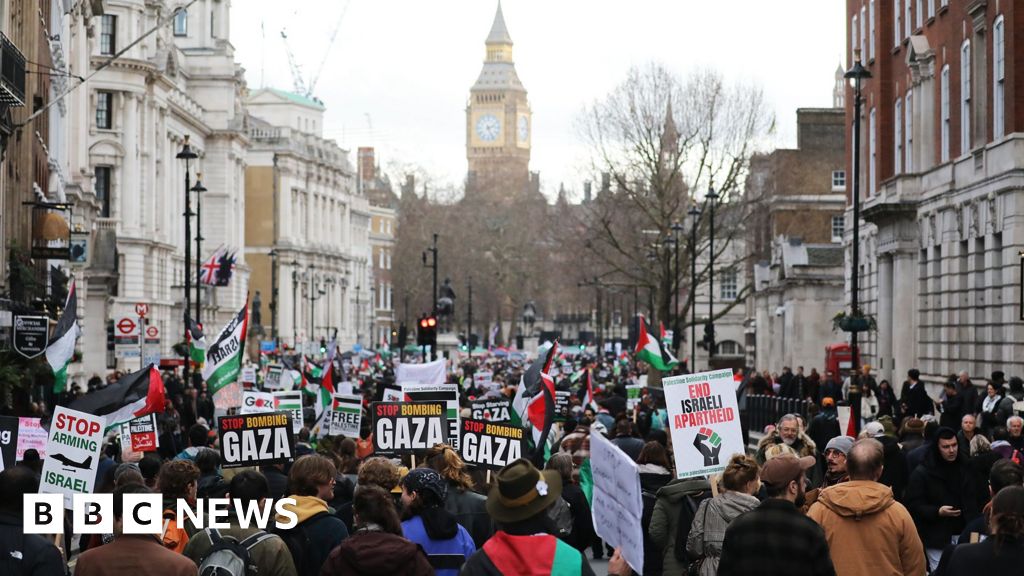
A justice minister has expressed concern that pro-Palestinian demonstrations held in various British cities have been “hijacked” by individuals attempting to create division. This statement comes amid growing scrutiny of the government’s handling of these protests. Alex Davies-Jones highlighted that antisemitic incidents have occurred during the marches and affirmed that the government is willing to impose bans when necessary. However, she also emphasized the importance of preserving protest as a “fundamental right” and made clear that not all demonstrators are antisemitic.
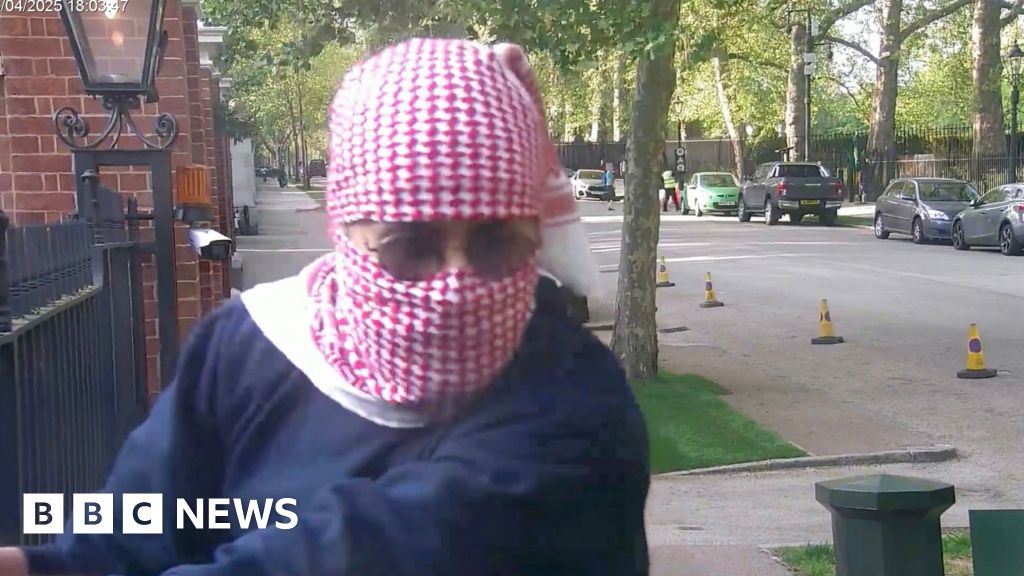
The issue gained renewed attention after two Jewish men were stabbed in Golders Green, a north London suburb, in an attack which police have declared a terror incident. This event has intensified political discussions regarding the safety of British Jews. Jonathan Hall KC, who reviews terrorism legislation, has advocated for a temporary halt on pro-Palestinian marches, arguing that it is currently unavoidable for antisemitism to be fostered at such events. Nevertheless, his proposal has been met with opposition from the Stop the War Coalition, an organization involved in organizing previous protests. The coalition condemned all antisemitism and racism but rejected the notion that the protests incite violence against Jews.
Chief Rabbi Sir Ephraim Mirvis joined calls for a ban on the marches, expressing a desire for swift implementation before upcoming demonstrations. He described the marches as contributing to a “tone of Jew hatred within our country,” warning of the increasing normalization of antisemitism and lamenting that the issue has not been addressed with sufficient seriousness. Supporting this viewpoint, Lord John Mann, the government’s independent adviser on antisemitism, noted that recent attacks are part of a “sustained hostility” towards Jews, and given the heightened terrorism threat level, he believes that an attack in the next six months is “inevitable.”
Regarding police powers, forces in England and Wales can impose certain conditions on protests, such as specifying routes or ending times. They also have the authority to apply for outright bans to prevent “serious public disorder,” but such measures require home secretary approval and are rarely implemented. Last month, the government approved a Metropolitan Police request to ban the Al Quds Day march in London, marking the first prohibition of a protest march since 2012. Speaking to Times Radio, Davies-Jones reiterated that the government is ready to act when necessary but stressed balancing protest restrictions with the right to demonstrate. She noted evidence of antisemitic behavior at some pro-Palestinian demonstrations, citing “chants of death, calls for global intifada,” but maintained that many participants are exercising their right to protest Israel’s actions. According to her, some protesters have exploited these marches to spread fear and division.
Metropolitan Police Commissioner Sir Mark Rowley stated that his force is committed to maximizing public safety within legal boundaries and is reviewing potential restrictions for major upcoming protests. On BBC Radio 4’s Today programme, he remarked that antisemitism has been increasing for years and criticized successive governments for failing to effectively tackle the problem. Additionally, Sir Mark has requested funding from the Home Office for 300 extra officers to safeguard Jewish communities in London, though no response timeline has been given. The Stop the War Coalition plans to hold its annual Nakba Day march on 16 May, coinciding with a “Unite the Kingdom” rally organized by far-right activist Tommy Robinson.
The government commissioned a review of public order and hate crime legislation last year that was expected in February but has yet to be released. Meanwhile, Prime M
Read the full article from The BBC here: Read More
Auto Amazon Links: No products found.