Auto Amazon Links: No products found.
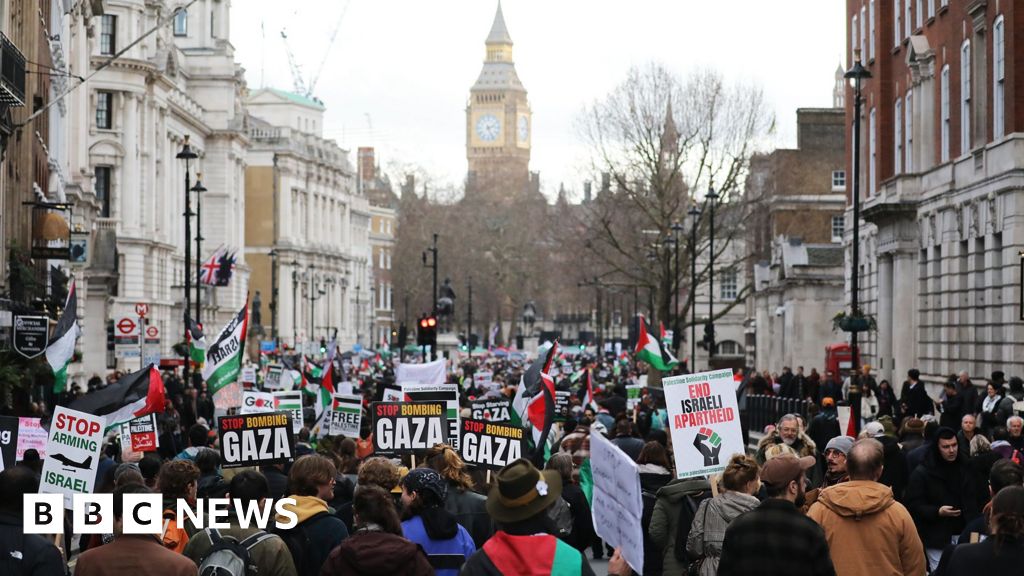
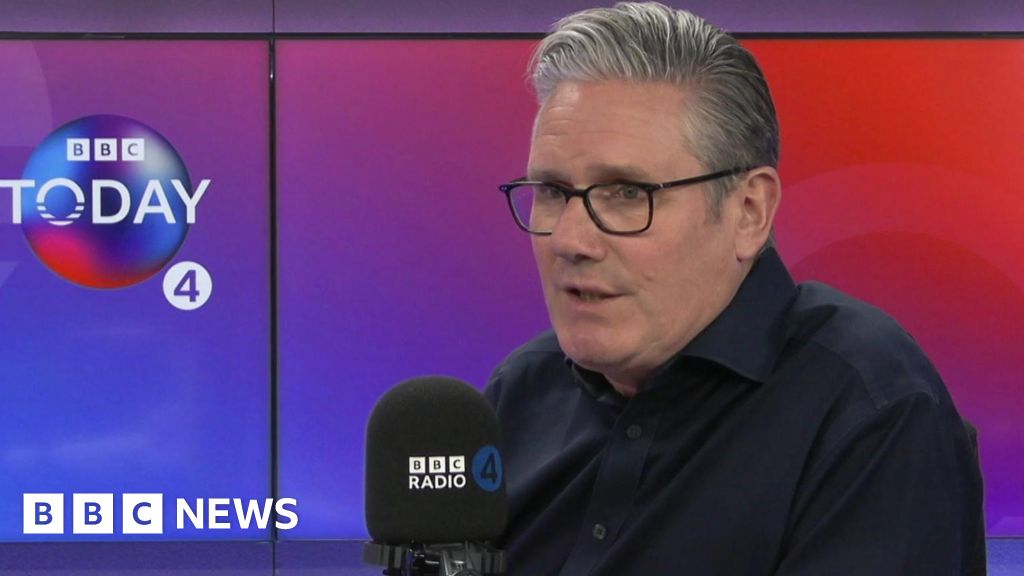
The prime minister has indicated that banning certain protests might be considered, amid ongoing debates about pro-Palestinian demonstrations. During an interview on BBC Radio 4’s Today programme, Sir Keir Starmer addressed whether he favored stricter regulation of language during protests or an outright halt to some marches. He responded, “I think certainly the first, and I think there are instances for the latter.”
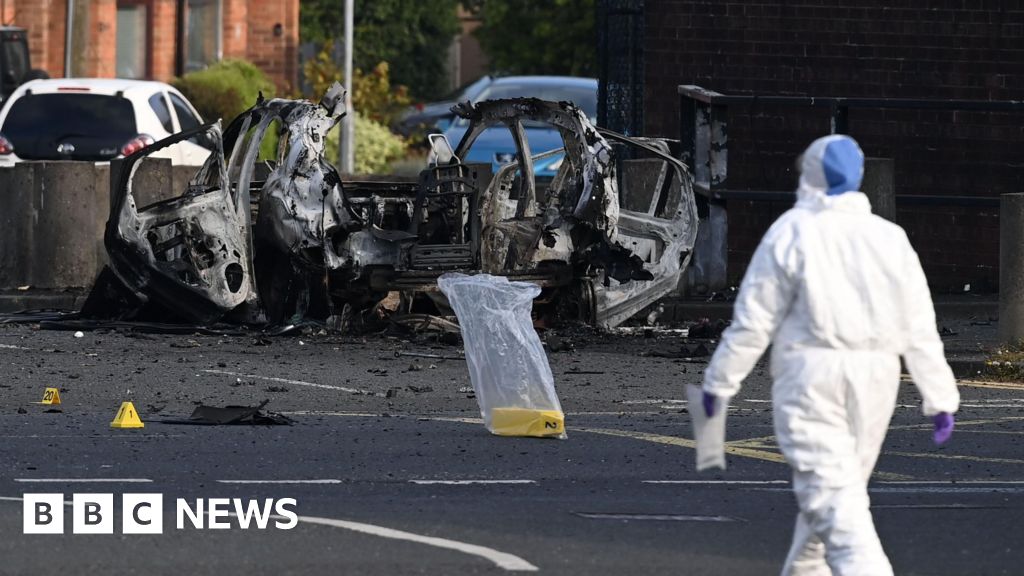
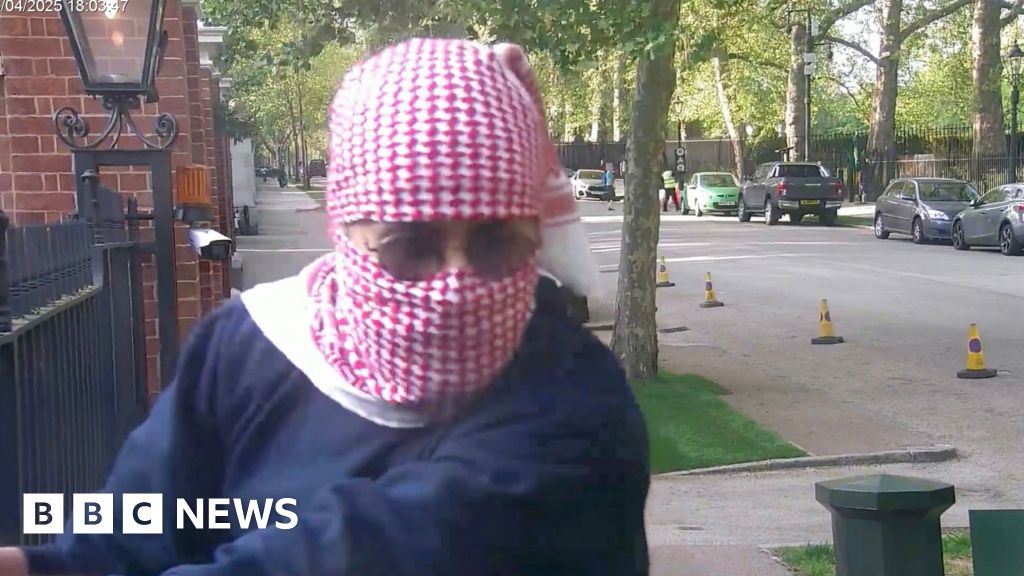
While emphasizing his commitment to defending the right to protest, the prime minister expressed concern over the “cumulative” impact that repeated marches have had on the Jewish community. This statement followed a violent incident in Golders Green, north London, where two Jewish men were stabbed—a case police have classified as a terror attack. This episode adds to a troubling pattern of assaults targeting Jewish individuals.
Last year, in response to previous attacks, including the killing of two Jewish people in Manchester, the government initiated a review of public order and hate crime laws. Although this review was expected to conclude by February, its findings have yet to be made public. Recently, Jonathan Hall, the independent reviewer of terrorism legislation, proposed a temporary suspension of pro-Palestinian marches, citing the difficulty of fully preventing antisemitic or demonizing language from emerging during such events. Chief Rabbi Sir Ephraim Mirvis echoed this sentiment, calling for a pause on the marches and noting that the protests have contributed to a “tone of Jew hatred within our country.”
Addressing the call for a moratorium, Sir Keir stated, “I think it’s time to look across the board at protests and the cumulative effect.” He acknowledged the repeated nature of these demonstrations and the concerns raised by many in the Jewish community, adding, “Now, I accept that, which is why we intend to deal with cumulative effects.” When pressed about potentially stopping some protests entirely, the prime minister suggested the need to explore additional powers. Despite this, he reiterated his strong defense of peaceful protest and freedom of speech, recognizing the legitimacy of deep concerns about the Middle East situation.
The suggestion to pause pro-Palestinian marches has drawn criticism from groups such as the Stop the War Coalition, who reject any link between the marches and attacks on Jewish people. Similarly, the Green Party and Your Party, led by Jeremy Corbyn, cautioned against responses that could limit civil liberties. In contrast, Conservative and Reform UK parties have advocated for a firmer government stance on the demonstrations. Enforcement-wise, English and Welsh police can impose restrictions on protests, such as designating routes or finishing times, and can apply to the home secretary to ban marches where necessary to prevent “serious public disorder,” though such bans are rare. Notably, last month, the government approved a Metropolitan Police request to ban the Al Quds Day march in London, marking the first protest ban since 2012.
Sir Keir also highlighted problematic chants heard at protests, referring specifically to the slogan “globalise the intifada,” which he described as “very dangerous” to the Jewish community and something that should be prosecuted. He challenged participants to question their presence when such slogans are used, asking, “Why am I not calling this out? Why am I on a march where this is the chant?” The term “intifada” originated during the Palestinian uprisings against Israeli occupation starting in 1987 and is interpreted differently: Jewish groups see it as inciting violence against Jews, while pro-Palestinian activists regard it as a call for peaceful resistance.
Following considerations of this slogan, both the Metropolitan Police and Greater Manchester Police said in December they would modify their approach by arresting individuals using the phrase in chants or on placards, partly influenced by a related attack at a Jewish festival in Australia.
Responding to criticism from parts of the Jewish community about government efforts to ensure their safety, Sir Keir acknowledged the “depth of feeling” and said many Jews “are feeling very scared.” While he refrained from criticizing those feelings, he maintained, “It’s not right to say we haven’t done anything.” He pointed to enhanced police security arrangements in areas such as Golders Green, noting that these measures “have been in place for some time,” and emphasized the government’s announcement of increased funding aimed at protecting Jewish communities
Read the full article from The BBC here: Read More
Auto Amazon Links: No products found.