Auto Amazon Links: No products found.
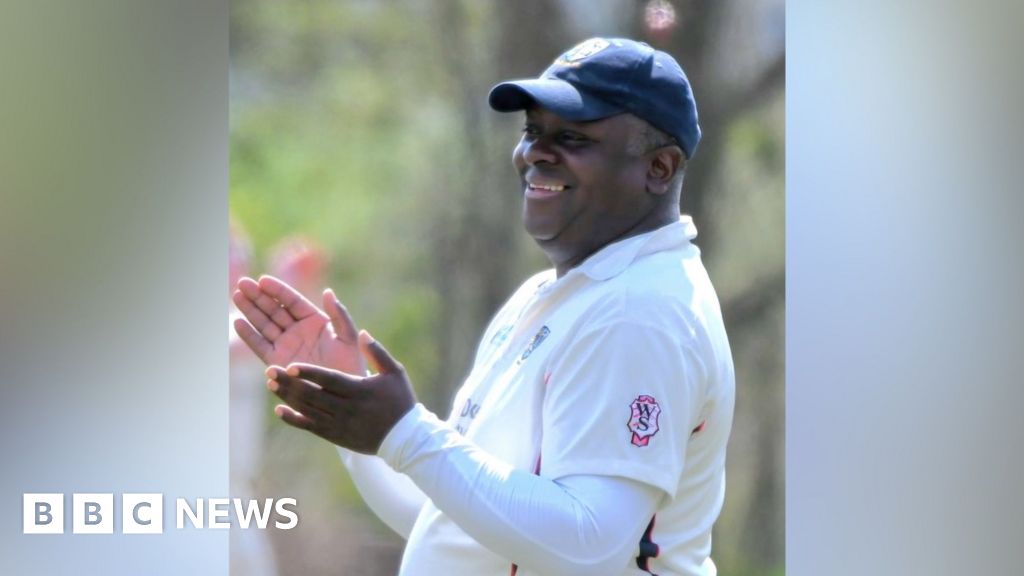
A man has been sentenced to eight years in prison after causing a fatal crash while using the TikTok app on his phone. The incident took place on the A12 near Kelvedon, Essex, in October 2024, when Ismaeel Malik, 22, from Bledlow Ridge, High Wycombe, collided with a stationary vehicle occupied by Norman Case, 58. Case suffered serious head injuries and later died as a result of the impact.
Authorities revealed that at the time of the collision, Malik’s phone was actively running the TikTok app, as well as several other applications, including WhatsApp, X, and Waze, throughout his two-hour journey between work appointments. Analysis showed that Malik accessed his phone almost 100 times during the drive. Despite clear visibility exceeding 300 meters and traffic being at a standstill, Malik approached at a speed of 70mph (113km/h) and did not attempt to brake before hitting Case’s car. Instead, he swerved left at the last moment, which was deemed too late to avoid the crash.
During his police interview, Malik acknowledged that TikTok videos were playing on his phone but insisted he was not distracted by them. However, Judge Mary Loram highlighted the case as a “devastating demonstration of just how dangerous it is to use mobile phones whilst driving.” The court was told that the brakes on Malik’s vehicle were fully functional, contradicting his claim that they had failed. The acceleration pedal had even been pressed moments before the collision, further evidencing reckless driving.
The emotional impact of the tragedy was deeply felt by Norman Case’s family and friends, with over 30 victim impact statements submitted. His daughter Kate expressed the difficulty in forgiving such a “selfish act,” emphasizing that her father’s death was “completely avoidable.” Case’s wife Sarah shared poignant reflections on her husband’s final moments, while his son Fraser recalled cherished memories of their time together. Malik was additionally banned from driving for over a decade and showed no visible reaction during his sentencing
Read the full article from The BBC here: Read More
Auto Amazon Links: No products found.