Auto Amazon Links: No products found. Blocked by captcha.
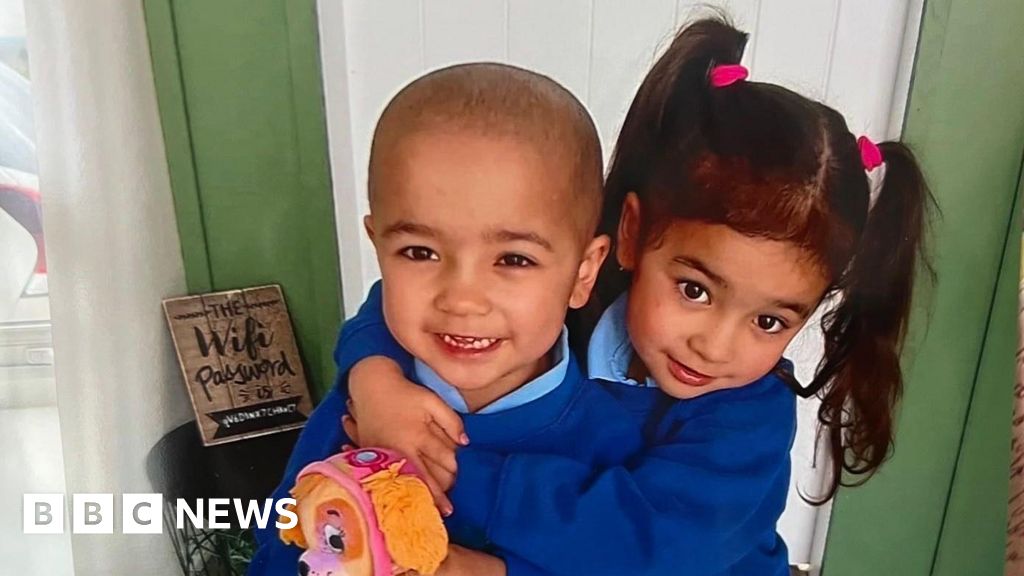
Alyssa McCrea spent a long period uncertain if her life with her twin daughters, Aria and Arabella, would ever return to a sense of normality. The turning point came in the summer of 2022, when three-year-old Aria was diagnosed with leukaemia. This diagnosis plunged the family into a challenging routine marked by extended hospital visits and frequent travel. The treatment, scheduled to last two and a half years in Belfast, required them to undertake a 110-mile round trip from their home in Derrykeighan, County Antrim, sometimes as often as four times a week. These demands placed a significant financial strain on the family as costs began to accumulate.
Despite the emotional and physical toll, Alyssa managed to secure limited financial support through children’s cancer charities as well as help from friends and family. However, the rising expenses remained a heavy burden. “Sometimes I would have asked my mum after we’d ended up in hospital overnight if she could transfer me money as I wasn’t expecting to be here, we were skimping to get by,” Alyssa shared. Reflecting on the situation, she expressed how a travel fund similar to the one currently available in England could have offered much-needed peace of mind during such a distressing time. “A family doesn’t plan for their young child to get diagnosed with cancer, they may not have savings behind them or may be in a bad position. Every little helps when you’re going through that sort of treatment,” she said.
In England, the government has introduced a child cancer travel fund, allocating £10 million annually to cover travel costs for children and young people up to 24 years old undergoing treatment. The fund was established following calls from charities highlighting the financial hardships faced by families, including debts and the need to cut back on essentials due to travel expenses. Currently, financial aid for families facing similar challenges in Northern Ireland is limited and primarily means-tested, available only to those on certain benefits. Wales operates under a similar system, while Scotland offers a more generous scheme. In the Republic of Ireland, families rely on support from the Irish Cancer Society’s Travel2Care program, although there is no specific travel fund for children with cancer.
Stormont’s Department of Health acknowledged that patients with chronic illnesses like cancer can face additional travel costs, potentially adding financial pressure during already difficult times. Their existing Help with Health Costs scheme provides travel assistance to low-income patients and dependants upon referral from a doctor or dentist. However, a spokesperson explained that due to a significant budget deficit, expanding financial support for families of young cancer patients is not feasible at present. Campaigners, including the UK-wide charity Young Lives vs Cancer, have indicated that the cost to implement a similar fund in Northern Ireland would be around £300,000 annually—a figure they argue is manageable within government budgets. Alliance MP Sorcha Eastwood, advocating for the fund’s extension to Northern Ireland, described it as a “game changer” for families and called on Stormont’s Health Minister to vigorously pursue equal support for those affected locally. Meanwhile, Aria has celebrated her seventh birthday, healthy and thriving alongside her sister Arabella, as her mother hopes that sharing their story will lead to better financial assistance for other families in the future
Read the full article from The BBC here: Read More
Auto Amazon Links: No products found. Blocked by captcha.