Auto Amazon Links: No products found. Blocked by captcha.
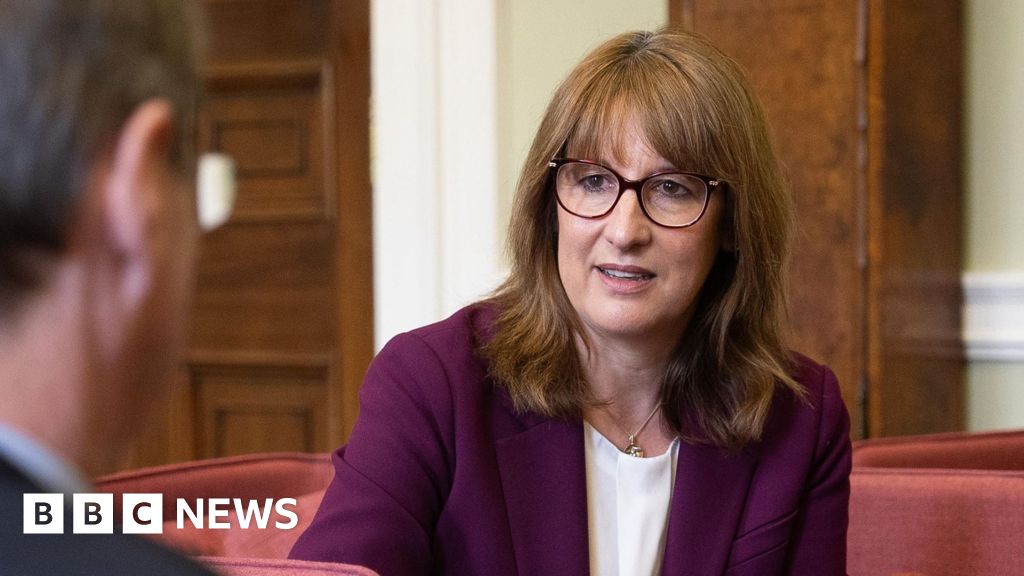
Chancellor Rachel Reeves has openly expressed her frustration regarding the United States’ involvement in a recent conflict, criticizing the lack of a clear exit strategy and uncertainty about the war’s objectives. She stated, “This is a war that we did not start. It was a war that we did not want. I feel very frustrated and angry that the US went into this war without a clear exit plan, without a clear idea of what they were trying to achieve.” Reeves’ anger is understandable given the already significant challenges she faces in managing a struggling economy while addressing defence spending.
The economic difficulties persist after several years of strain, making it increasingly complex to allocate more funds to defence. There had been cautious optimism earlier in the year, with Prime Minister Sir Keir Starmer declaring “we are turning a corner,” and ministers highlighting some positive economic indicators. However, the escalation of military activity, visible through missiles and fighter jets in the skies, has disrupted this progress. This development has tightened the financial pressures, creating a cycle where a sluggish economy results in a restless electorate, complicating decisions around public spending priorities.
Further intensifying the situation are criticisms from figures such as Lord Robertson, who accused Treasury officials—whom he describes as “non military experts”—of “vandalism” due to their cautious approach on defence expenditures. At the same time, he underscored the growing tension between defence needs and social welfare, remarking that “the cold reality of today’s dangerous world is that we can’t defend Britain with our ever-expanding welfare Budget.” This highlights an ongoing political debate about how to balance defence priorities with social spending, particularly under the Labour government, which recently faced internal challenges over attempts to control benefit costs.
The anticipated Defence Investment Plan, intended to clarify the Ministry of Defence’s financial strategy, has been delayed well beyond its original autumn due date. The government’s struggle with domestic, fiscal, and international pressures explains the postponement. Once released, this plan is expected to spark broader discussions about how to reconcile the demands of enhanced defence capabilities with the realities of existing budgetary commitments. With the tax burden projected to rise to a historic high of 38% by 2031, tough choices await on whether health, benefits, and defence budgets can all grow simultaneously, and if not, what priorities must shift—questions likely to dominate political discourse for years ahead
Read the full article from The BBC here: Read More
Auto Amazon Links: No products found. Blocked by captcha.