Auto Amazon Links: No products found. Blocked by captcha.
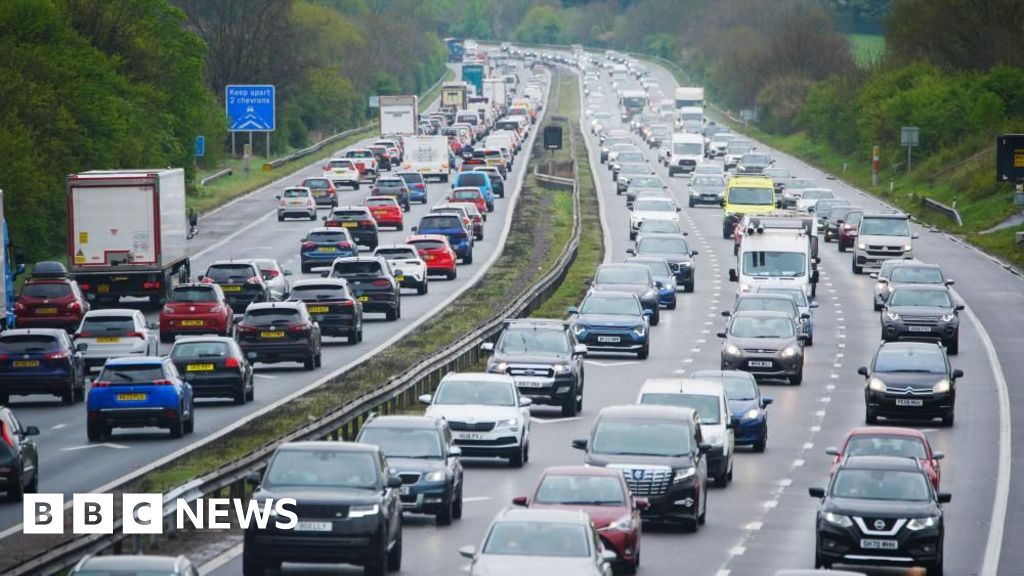
This Easter weekend is expected to witness the highest volume of road traffic since 2022, with nearly 21 million planned journeys despite ongoing concerns about rising fuel costs. Research conducted by the RAC alongside traffic data provider Inrix indicates that traffic will remain consistently heavy throughout the extended holiday period, showing an increase of over one million trips compared to last year.
One reason for this surge in travel is the growing number of people opting to take holidays within the UK rather than going abroad. The AA’s experts suggest that more individuals are choosing domestic trips, with VisitEngland reporting that approximately 12.5 million Britons plan to stay overnight within the UK over Easter, surpassing the 7.4 million who intend to travel internationally. Lee Morley, an AA expert patrol, noted, “Some people may have changed their plans from travelling overseas and therefore travelling closer to home.” He also highlighted a steady rise in local journeys since Covid restrictions were eased.
According to VisitEngland, this year there are 1.9 million more overnight domestic trips planned than last Easter, although 5.1 million remain undecided due to concerns about the weather and their finances. The RAC anticipates that traffic will peak on Good Friday but expects congestion to be heavy from Thursday onward, coinciding with the start of many school holidays. Drivers are advised to start their trips early in the morning to avoid the worst delays, which are predicted to occur daily from 10:00 BST through Saturday and again on Easter Monday.
Despite fuel price worries being raised in recent weeks—triggered by the ongoing conflict in the Middle East—a significant impact on travel plans has not materialized. The RAC’s mobile servicing and repair team leader, Sean Kimberlin, said, “While a significant number of drivers are concerned about rising fuel prices, a much smaller contingent are actually changing their plans this Easter as a result.” Addressing fears of petrol rationing, Prime Minister Sir Keir Starmer reassured the public that there was “no need to do anything other than what is normal,” stating that petrol stations remain “well-stocked nationally and any suggestion otherwise is incorrect.”
Meanwhile, rail travel is expected to be quieter over the Easter break, according to Network Rail, with most routes open despite some planned maintenance affecting certain lines. Jake Kelly, Network Rail’s regional director for North West and Central, commented that bank holiday periods tend to be “among the least busy times on the railway.” On the other hand, ferry travel is set to experience heavy demand. The Port of Dover anticipates handling around 37,000 vehicles between Thursday and Sunday, with the port’s chief executive, Doug Bannister, urging travellers to arrive no earlier than two hours before their scheduled departure to keep processes running smoothly.
Easter remains a favored time for international holidays as well. Abta, the UK’s travel trade association, reports that around 12% of people planning a trip within the next year intend to travel abroad during the Easter school holidays. Abta’s director of communications, Graeme Buck, explained that amid ongoing instability in the Middle East, many travellers are adjusting their plans towards destinations such as Spain, Italy, and France. In connection with these travel patterns, the Entry/Exit System (EES), a digital border control mechanism for non-EU citizens entering and leaving the Schengen Area, faces its biggest operational test over Easter. Luke Petherbridge, Abta’s director of public affairs, said, “Some people’s experience has been smooth, but others have had to wait a long time to go through the checks, which can cause various knock-on effects for travel.
Read the full article from The BBC here: Read More
Auto Amazon Links: No products found. Blocked by captcha.