Auto Amazon Links: No products found. Blocked by captcha.
Health authorities are advising the public to refrain from handling lambs during farm visits this spring due to a recent parasitic infection outbreak linked to farm animals that caused illness in numerous individuals last year. This precaution comes in light of cases associated with the parasite cryptosporidium, which affects farm visitors, particularly children.
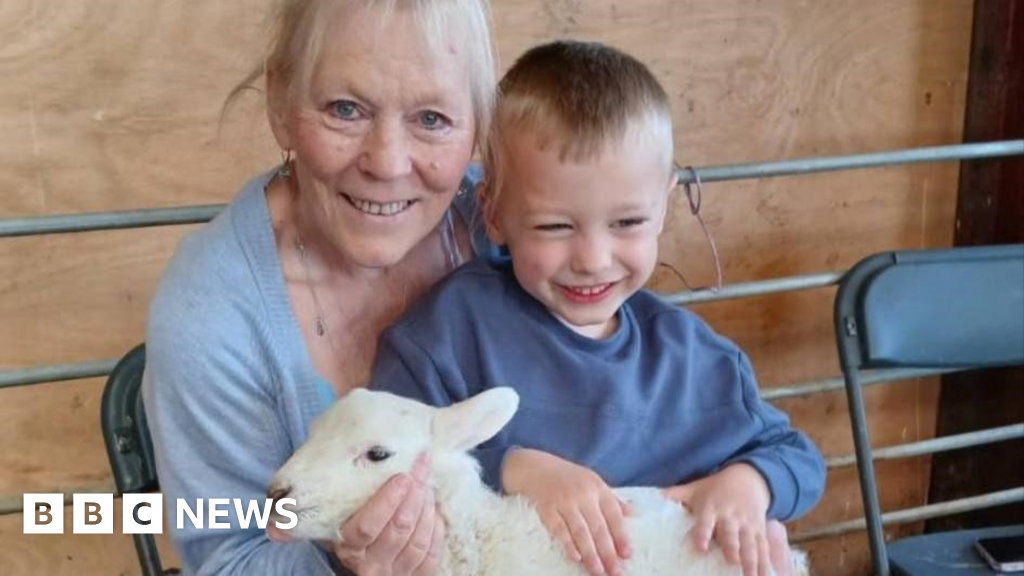
Gareth, whose young son Michael fell seriously ill after a farm visit, shared their experience. Michael, who loves animals, spent four days hospitalized with a high fever and severe diarrhoea following a visit to a farm in the Vale of Glamorgan in spring 2025. Despite careful hygiene practices such as handwashing and changing clothes immediately after contact, Michael became unwell a few days later while on holiday abroad. Gareth recounted, “It was the worst experience I’ve ever been through in my entire life… We thought we’d lose him.”
Public Health Wales (PHW) epidemiologist Dr Andrew Nelson emphasized the importance of awareness regarding the risks posed by young farm animals. Cryptosporidiosis, the illness involved, can cause intense symptoms including diarrhoea, vomiting, fever, and stomach cramps, with children and vulnerable groups being particularly susceptible. Last year, PHW confirmed over 525 cases of cryptosporidium infection in Wales, with 35% of those affected being children under the age of 10.
In response to the outbreak, PHW has issued strict guidance around farm visits. They recommend avoiding direct contact with lambs, emphasizing that holding, cuddling, or kissing them is among the riskiest activities for spreading the infection. Visitors should wash their hands thoroughly with soap and warm running water after touching animals or any farm surfaces, and supervise children closely to ensure proper hygiene practices. Eating or drinking should be restricted to designated areas away from animals, and appropriate clothing and footwear should be worn, with any soiled items cleaned promptly. Farms are encouraged to maintain clear hygiene protocols, provide accessible handwashing facilities, and keep lambs in enclosed pens to minimize risk during public interactions.
Farmers such as Colin Evans of Cantref Farm near Brecon have been commended for implementing robust safety measures designed to protect both visitors and animals. Evans, who has managed the farm for two decades, acknowledged the significance of safely sharing lambing season experiences: “We couldn’t sleep at night if we didn’t know we did everything to minimise the risk of visits to the farm… Lambing season is a magical time, and we love sharing it with the public, but it’s so important that people enjoy it safely.” Visitors to properly managed farms can observe lambs being born and feed them from outside the pens, with handwashing facilitated by warm water and soap afterward.
Dr Nelson further advised that lambing season offers wonderful opportunities for family outings, but precautions are necessary. He stated, “By avoiding close contact with lambs and practising good hand hygiene, visitors can significantly reduce the risk of infection and enjoy a safe Easter.” Public Health Wales urges anyone who develops diarrhoea or vomiting within two weeks of farm visits to seek medical advice promptly and to remain away from work, school, or nursery until they have been free of symptoms for at least 48 hours
Read the full article from The BBC here: Read More
Auto Amazon Links: No products found. Blocked by captcha.