Auto Amazon Links: No products found. Blocked by captcha.
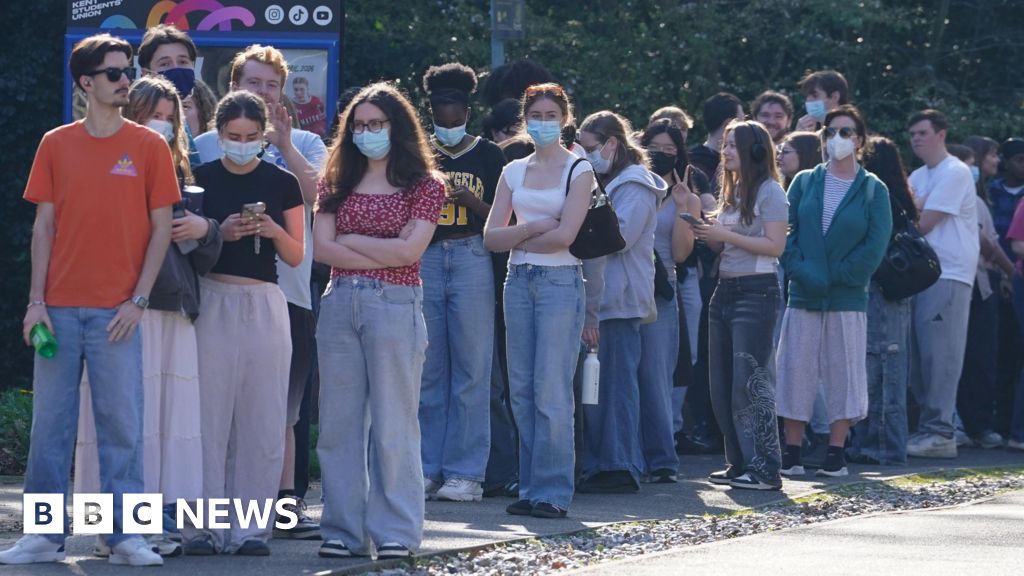
Following a lethal meningitis outbreak in Kent, authorities have broadened the vaccination programme, leading to long queues of university students waiting for inoculations. Initially, only those University of Kent students residing in halls were eligible for the meningitis B (MenB) vaccine. This has now been extended to anyone who attended the nightclub believed to be the outbreak’s source.
The UK Health and Security Agency (UKHSA) confirmed that individuals who visited Club Chemistry in Canterbury between 5 and 15 March qualify for vaccination. With the number of confirmed and suspected cases rising to 27, sixth form pupils in affected areas of Kent are also eligible, along with persons who have already been advised to take preventative antibiotics by the UKHSA.
Tragically, the outbreak has claimed the lives of a 21-year-old University of Kent student and an 18-year-old sixth former. Demand for the vaccine remains high; more than 100 students were turned away on one day due to long waiting times before the clinic closed at 5 pm, even though there was no shortage of vaccine supplies. As of Thursday afternoon, NHS England reported that almost 1,500 vaccine doses had been administered.
To accommodate the growing demand, a new vaccination centre opened on Friday at Faversham Health Centre, offering jab appointments from 9 am, with additional clinics available at the Vicarage Lane Clinic in Ashford. The UKHSA also highlighted a confirmed case at a London higher education institution directly connected to the Canterbury outbreak. Several individuals linked to the outbreak, including three University of Kent cheerleaders and a Morrisons staff member who attended the nightclub, are currently hospitalized.
Health Secretary Wes Streeting reassured the public, emphasizing that the risk remains “extremely low.” He encouraged everyone to continue their daily routines without fear, stating, “It’s absolutely fine for people to go about living their lives in a normal way,” and dismissed the idea of imposing restrictions on student nightlife. He noted that the UK typically sees about 350 meningitis cases annually.
Nevertheless, the outbreak has sparked fear and disruption locally. Two members of the nightclub staff remain hospitalized, and community members such as 20-year-old computer science student Tumi chose not to return home to prevent further spread, saying, “I just don’t think it’s quite safe.” Scenes on campus evoked memories of the Covid-19 pandemic, with many queuing for antibiotics wearing masks and maintaining social distance. Canterbury Rugby Football Club announced the suspension of all weekend matches, while local businesses reported a downturn, including a hotel witnessing a third of its bookings canceled and a pharmacy employee noticing significantly fewer customers.
In response to the outbreak, the UKHSA issued a public health alert for doctors nationwide to be vigilant for meningitis symptoms. Its chief executive, Professor Susan Hopkins, described the situation as an unprecedented rapid increase in cases, saying she had never seen “such an explosive start to a meningitis outbreak.” She mentioned that the bacterial strain involved had been circulating for around five years and is currently under study, with more information expected soon. Historically, most meningitis outbreaks have been successfully managed through timely interventions.
The MenB strain is the leading cause of meningococcal meningitis in the UK. However, routine vaccination for this strain only began in 2015, which means many students and young adults in their late teens are not protected by previous immunisation programmes
Read the full article from The BBC here: Read More
Auto Amazon Links: No products found. Blocked by captcha.