Auto Amazon Links: No products found. Blocked by captcha.
A comprehensive report examining the effects of the Covid pandemic on the NHS in England has recently been released. It reveals that the health service came perilously close to collapse during the crisis but was kept afloat largely due to the extraordinary dedication of its staff. Spanning over 400 pages, the report critically reviews government messaging, patient care experiences, and the strictness of hospital visiting rules during the pandemic.
The NHS entered the pandemic in a vulnerable state, having faced significant budget constraints over the previous decade despite growing demand from an ageing population and more people living with long-term conditions. This left the system with insufficient staff and bed capacity, described in the report as a “precarious position.” As Covid cases surged, especially during the first wave, the NHS struggled to cope. Oxygen supplies nearly ran out in some areas, and ambulance waiting times lengthened dramatically—sometimes necessitating military assistance. Intensive care units were stretched to the point that nurse-to-patient ratios worsened from one-to-one to sometimes one-to-four. Ultimately, it was only through staff’s exceptional efforts that a total collapse of services was narrowly avoided.
Patient care was severely affected throughout the pandemic. The report highlights long delays for both Covid and non-Covid patients, with some seriously ill individuals unable to access intensive care due to capacity limits. Cancer screenings and diagnoses were disrupted, resulting in missed opportunities for early detection. Non-urgent procedures such as knee and hip replacements were often canceled, causing a “debilitating effect” on patients’ wellbeing and mobility. Regarding public messaging, the government’s “Stay Home, Protect the NHS, Save Lives” slogan—while intended to relieve pressure on healthcare services—unintentionally led many to believe that medical facilities were not open or accessible. This was reflected in reduced attendances at emergency departments and delayed care for critical conditions like heart attacks, as people were reluctant to burden the NHS.
The inquiry also scrutinized the pandemic’s strict hospital visiting rules, which were one of the most contentious policies. These restrictions meant that some patients died without loved ones present, leaving families grieving with feelings of heartbreak, guilt, and anger. Vulnerable groups, including new mothers and people with disabilities, were often deprived of essential support during critical moments. The report stresses that such rigid rules should be avoided if possible in future crises. It also notes inconsistency in how visiting permissions were applied, which fueled perceptions of unfair treatment. Additionally, shielding policies resulted in widespread loneliness and social isolation for many vulnerable patients, underscoring the need for improved planning to mitigate such consequences next time. The report further condemns that inappropriate do-not-resuscitate orders were placed on groups like older people and those with learning disabilities.
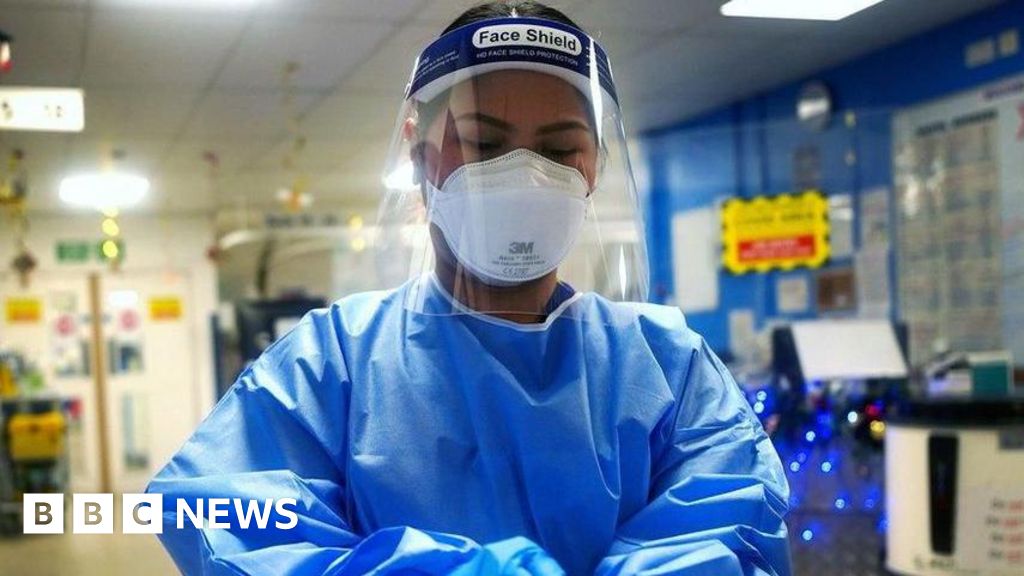
In terms of staff experience, the report exposes critical shortages of protective equipment during the pandemic. Clinicians often worked under “inadequate” conditions that exposed them to heightened risk from the virus. Personal protective equipment (PPE) supplies reached “dangerously low” levels, with the NHS mere days away from running out of essentials at one point. There was also a lack of specialist masks suited for different facial shapes, affecting female and ethnic minority staff disproportionately. Early infection control guidance was flawed, failing to acknowledge airborne transmission of the virus via aerosols. Many healthcare workers faced severe mental health impacts, with some diagnosed with post-traumatic stress disorder after working in what they described as “war zone” conditions, while burnout became widespread
Read the full article from The BBC here: Read More
Auto Amazon Links: No products found. Blocked by captcha.