Auto Amazon Links: No products found. Blocked by captcha.
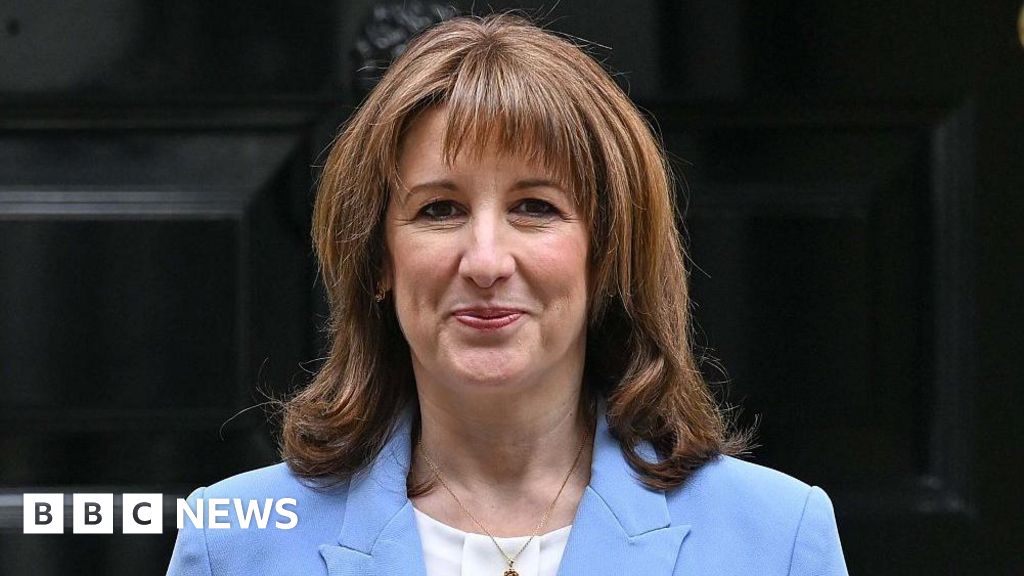
Chancellor Rachel Reeves has announced a £2.5 billion government investment aimed at strengthening the UK’s position in quantum computing and artificial intelligence (AI) sectors, with the goal of preventing leading British technology companies and researchers from relocating abroad to seek better financial opportunities. Speaking to the BBC, Reeves emphasized the importance of reversing the trend of UK tech firms drifting overseas, particularly to the US, where larger capital pools have historically been more accessible.
During a lecture delivered to business leaders in London, Reeves outlined how the UK’s growth strategy includes increased investment, enhanced collaboration with the European Union, and the devolution of greater fiscal powers to regional authorities. She indicated that her upcoming Budget would propose giving more control over national taxes, including income tax, to regional mayors as part of this agenda. Highlighting the potential of these innovations, Reeves predicted that quantum computing initiatives could generate around 100,000 jobs across the UK, and she pledged that Britain aims to achieve the fastest adoption of AI technology among the G7 countries.
Industry experts support the chancellor’s proactive stance. Ashley Montanaro, co-founder and CEO of the quantum tech company Phasecraft, acknowledged the challenges imposed by the historic pull of overseas investors but noted a shift in perception that is casting the UK as an attractive environment to build quantum computing businesses. He commended Reeves’ awareness of the situation and her commitment to policies that make the UK a compelling home for emerging technologies. Former deputy Prime Minister Sir Nick Clegg also highlighted AI’s potential during a recent interview, stressing its capacity to create unforeseen new jobs and businesses, as well as revolutionize personalized learning in education.
However, Reeves’ plans face potential hurdles amid geopolitical tensions stemming from the ongoing conflict involving the US, Israel, and Iran. Experts warn about the economic risks posed by oil price spikes triggered by the conflict, which could exacerbate inflation and slow economic growth. Reeves addressed concerns about Britain’s energy strategy, noting that decisions on major North Sea oil projects like Rosebank and Jackdaw would be made imminently. While she refrained from calling for new oil exploration, she acknowledged the necessity for all countries to contribute to energy supply stability, especially with disruptions in key areas like the Strait of Hormuz, and pointed to efforts by Canada and Norway to boost production. Reeves also referenced plans to reintegrate the UK into European energy markets post-Brexit as a measure to help manage energy costs.
The chancellor further advocated for greater economic alignment with the EU in sectors where such cooperation benefits the national interest, business, and jobs. This approach, already underway in areas like food and farming standards, may extend to regulations involving chemicals and manufacturing. However, this stance has drawn criticism from the Conservative party, with shadow chancellor Sir Mel Stride accusing Reeves of attempting to reverse Brexit-related changes and deflecting blame for economic difficulties onto Brexit rather than government mismanagement
Read the full article from The BBC here: Read More
Auto Amazon Links: No products found. Blocked by captcha.