Auto Amazon Links: No products found. Blocked by captcha.
In recent days, much of the global focus has centered on the escalating tensions and conflict involving America, Israel, and Iran, with vivid reports emerging from across the Middle East, including Iran, Lebanon, Israel, and the United Arab Emirates. However, aside from the international ramifications, the situation carries significant domestic consequences, particularly for the UK. One immediate concern for the Foreign Office is managing the complex task of assisting British nationals stranded in the Middle East. This challenge is compounded by restricted airspace and limited availability of flights, creating a logistical hurdle in bringing people home safely.
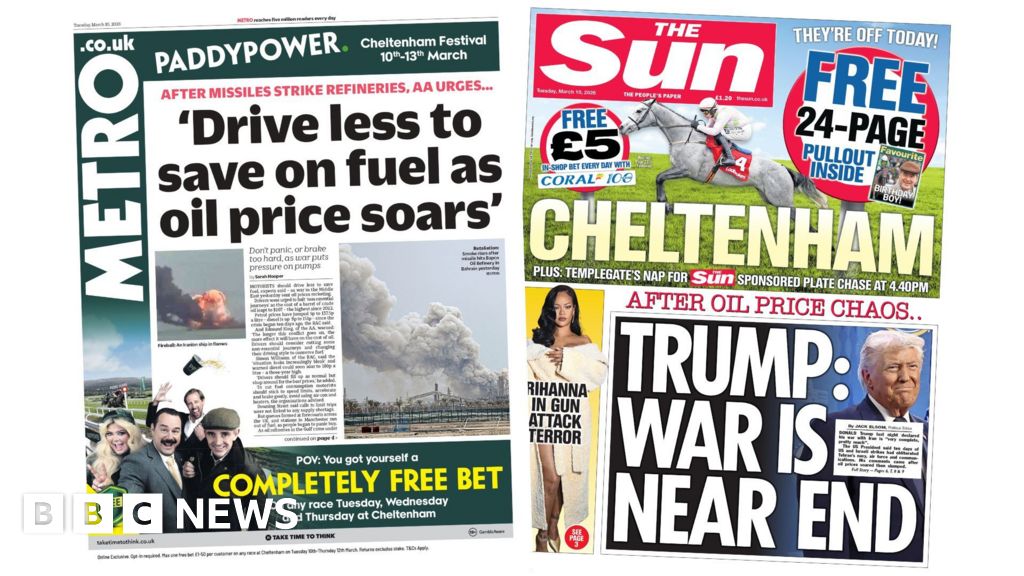
Beyond these operational efforts, a far-reaching impact is being felt on household finances across the UK. The ongoing conflict has intensified the already critical issue of the cost of living, thrusting it back into the spotlight with serious implications. Chancellor Rachel Reeves has addressed the situation with a “clear eyed” approach, acknowledging the difficulties faced by many while recognizing that much depends on unpredictable factors—chief among them the duration and intensity of the conflict and whether oil supplies can move freely through crucial routes like the Strait of Hormuz in the Gulf.
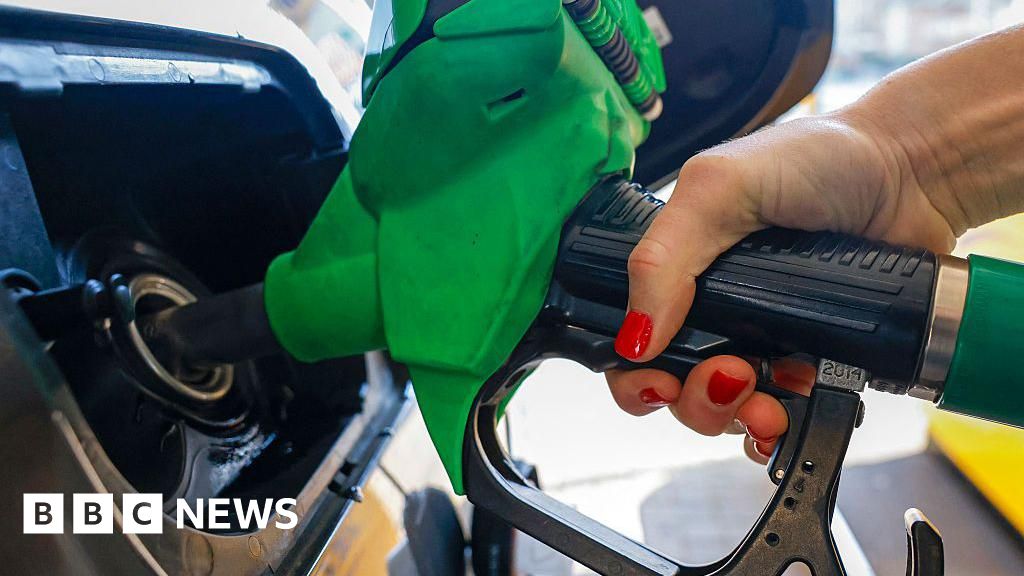
Meanwhile, the immediate effects on prices are already evident. Fuel costs, including petrol and heating oil, have surged sharply. This spike has attracted political attention, with Reform UK expected to comment soon, and numerous MPs raising concerns about soaring heating oil prices, especially affecting rural communities and a large number of households in Northern Ireland dependent on this fuel. While ministers have voiced worries over potential profiteering, industry insiders highlight that suppliers have limited capacity to buffer against wholesale price changes, often resulting in direct price increases for consumers.
Looking ahead, MPs are scheduled to meet with a Treasury minister to discuss these issues further. Chancellor Reeves points to the existing energy price cap, which currently shields households from more extreme electricity and gas cost rises until the end of June. Former Chancellor Sir Jeremy Hunt offered a perspective in the Commons, noting that during his tenure, the Treasury estimated a 20% rise in energy prices would raise inflation by 1% and reduce economic growth by 0.5%. As the situation continues to unfold, the hope remains that the conflict will subside soon and oil supply routes reopen, limiting lasting financial damage. Yet, the UK government’s capacity to influence the outcome is minimal, leaving many families anxiously watching the evolving impact on their budgets amid ongoing global uncertainties
Read the full article from The BBC here: Read More
Auto Amazon Links: No products found. Blocked by captcha.