Auto Amazon Links: No products found. Blocked by captcha.
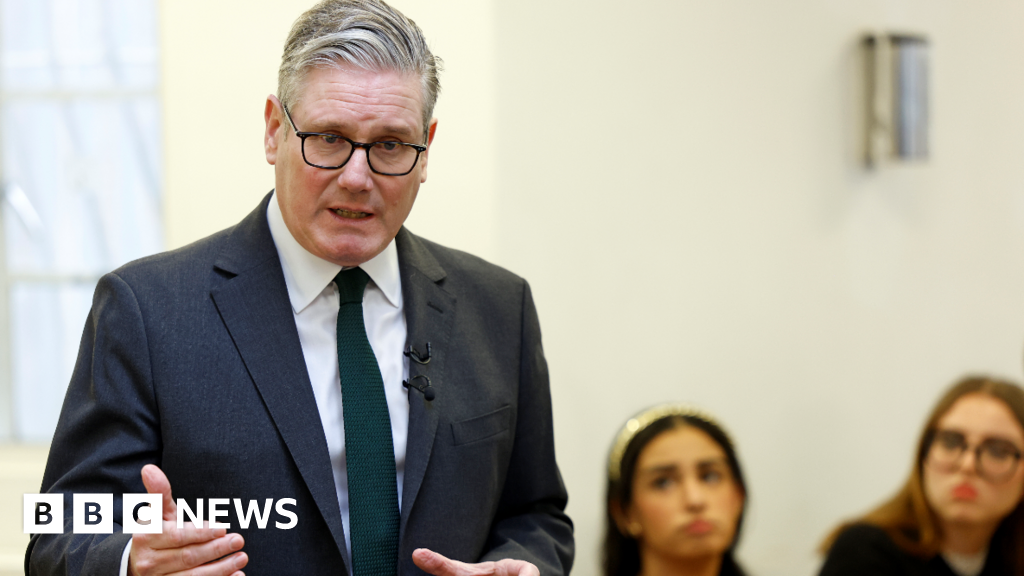
Sir Keir Starmer has cautioned that the ongoing conflict involving Iran carries the risk of impacting the UK economy. Speaking at a community centre in London, the prime minister acknowledged public concerns and emphasized that his government is actively assessing the situation, collaborating with international partners, and working to minimize any adverse effects on the population domestically. He highlighted that, compared to 2022 when energy prices soared following Russia’s invasion of Ukraine, the economy is currently in a more resilient position to handle potential disruptions in energy supply.
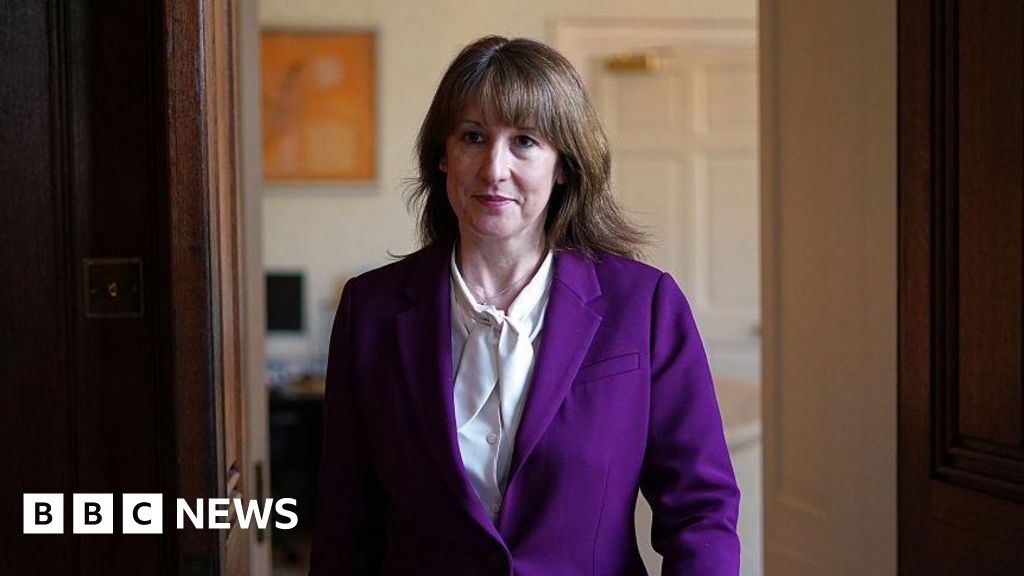
Recent days have seen a sharp rise in global oil prices driven by fears that the conflict between the US, Israel, and Iran could cause extended interruptions to energy flow. This surge prompted the G7 nations to convene an emergency meeting focusing on the possible economic fallout. Chancellor Rachel Reeves addressed Parliament following the meeting, signaling that current oil price movements are expected to contribute to inflationary pressures over the coming months. Reeves also expressed her preparedness to support a coordinated release of oil reserves held by the International Energy Agency as a measure to stabilize supply.
Former US President Donald Trump commented on social media that the short-term spike in oil costs is a minimal price to pay for global safety, referring to efforts to dismantle the Iranian nuclear threat. The US president has previously criticized the UK prime minister for not permitting American forces to utilize British military bases for initial offensive actions against Iran. Responding on Monday, Sir Keir reaffirmed that the UK and US remain cooperative, but decisions must prioritize Britain’s national interest, which ultimately rests with the prime minister. The two leaders recently conducted a phone call discussing the Middle Eastern developments and military cooperation, although Downing Street declined to comment on whether the US president raised his criticisms during the conversation.
Energy prices in the UK have reacted to these developments, with benchmark gas prices rising notably to 158p per therm, nearly double the level from two weeks prior, although still significantly lower than the highs seen during the Ukraine war. The previous Conservative government implemented substantial energy bill support measures in response to earlier price surges, but the current administration has not yet announced a similar relief package. Sir Keir pointed out that the existing energy price cap will help shield households from immediate cost increases. Ofgem recently confirmed that this cap will drop by about 7% starting in April, a move set to reduce bills in England, Wales, and Scotland, delaying any price rises for those on variable tariffs until at least July. Nonetheless, heating oil prices, crucial for many Northern Ireland and rural households, have escalated sharply due to their greater exposure to global oil market fluctuations, with an 81% increase reported in just one week. The lasting conflict may also drive higher fuel prices at the pump and trigger broader inflationary effects on food and industrial goods.
Addressing public unease, Sir Keir said, “I do understand the anxiety now, at nine days into this conflict, where a number of people will be saying ‘well, now is the situation going to get worse, and how’s it going to impact me and my family?'” He stressed the importance of the government’s ongoing efforts to monitor and mitigate risks to the economy and households. However, opposition voices have voiced concern over the pace of the government’s response to cost-of-living challenges. Conservative leader Kemi Badenoch expressed worry that the prime minister might be too slow to act and called for urgent measures such as cutting fuel duty, which is anticipated to increase later in the year. Badenoch also promoted her party’s “cheap power plan,” which includes scrapping net-zero targets and expanding oil and gas extraction in the North Sea. Meanwhile, SNP Westminster leader Stephen Flynn urged the government to step in with an emergency financial support package to assist families facing hardship
Read the full article from The BBC here: Read More
Auto Amazon Links: No products found. Blocked by captcha.