Auto Amazon Links: No products found. Blocked by captcha.
South West Water (SWW) has formally admitted to providing water that was unsafe for human consumption following a cryptosporidium outbreak in Devon earlier in 2024. The admission came after a prosecution initiated by the Drinking Water Inspectorate (DWI), which arose due to an incident that led to over 140 confirmed cases of infection and resulted in four hospitalizations. This public health crisis centered around Brixham, affecting thousands of residents and businesses in the region.
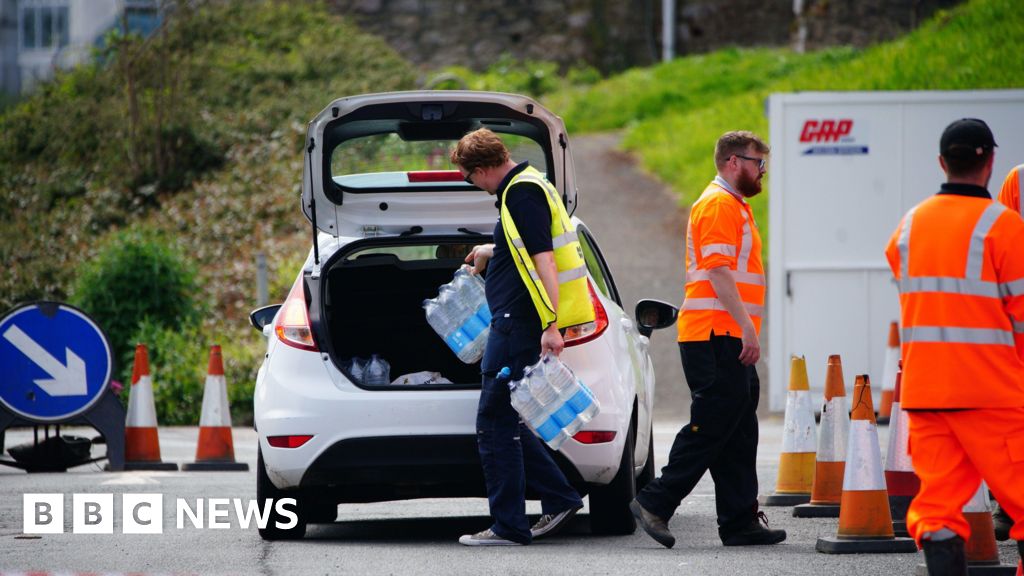
In mid-May 2024, the UK Health Security Agency (UKHSA) confirmed the first cases linked to the waterborne parasite. Initially, SWW maintained that the water supply was safe, but by May 15, the company disclosed that traces of cryptosporidium had been detected. Subsequently, a boil water notice was issued, impacting approximately 16,000 properties, with the advisory remaining in place for up to 54 days in some areas before being lifted in early July. During the outbreak, more than one million bottles of water were distributed to affected households and businesses as a precautionary measure.
SWW faced the legal proceedings at Exeter Magistrates’ Court where they pled guilty to breaching the Water Industry Act 1991. The company expressed a “full and unreserved apology for the impact of the incident” and is scheduled to be sentenced on June 2. The DWI had requested the case be escalated to a Crown court due to its high-profile nature and the potential for more stringent penalties, but SWW’s legal representatives argued that it was straightforward enough for magistrates to handle.
Reactions to the guilty plea reflected widespread dissatisfaction with the water industry’s handling of the crisis. Caroline Voaden, the Member of Parliament for South Devon, emphasized the failure of the utility despite its prior claims that customer welfare was a priority. She called for stronger and faster regulatory reforms, criticizing the disconnect between promises and actual performance within the sector. Water Minister Emma Hardy described the contamination as “utterly unacceptable,” underscoring the need for accountability. Meanwhile, Marcus Rink, chief inspector of the DWI, highlighted the seriousness of the company’s failings but reminded that sentencing decisions rest with the court. SWW reiterated their apology and commitment to cooperate fully as the legal process progresses
Read the full article from The BBC here: Read More
Auto Amazon Links: No products found. Blocked by captcha.