Auto Amazon Links: No products found. Blocked by captcha.
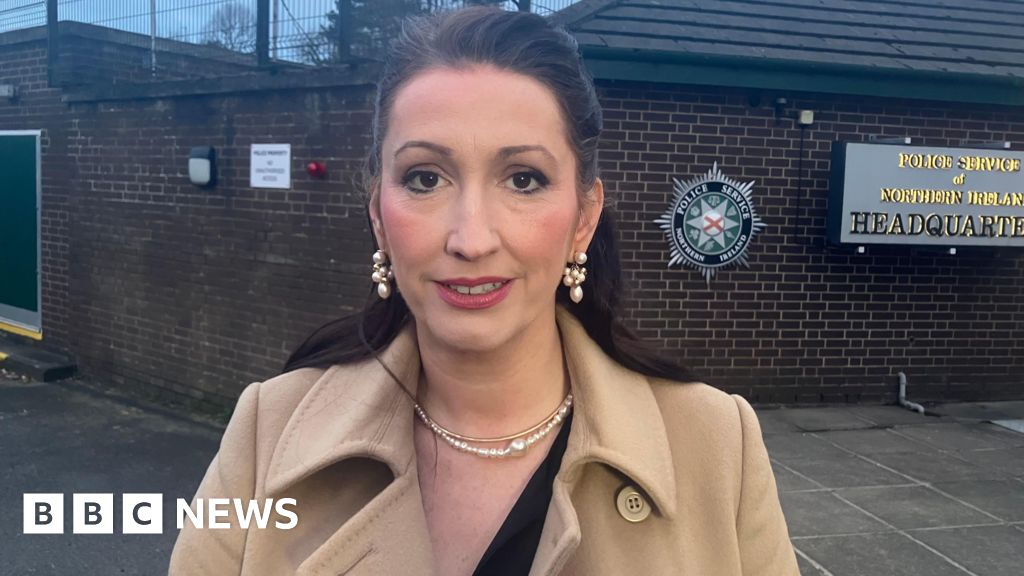
The Deputy First Minister of Northern Ireland has indicated that a registration scheme is likely to be introduced to assist people from Northern Ireland who are living in the Middle East. Emma Little-Pengelly participated virtually in a briefing with senior UK government security advisers concerning the situation in the Middle East, alongside the first ministers of Scotland and Wales. Although First Minister Michelle O’Neill, representing Sinn Féin, was invited to the briefing, Little-Pengelly noted that O’Neill did not attend, and the reason for her absence remains unclear.
Representatives from the Executive Office, led by both the First Minister and Deputy First Minister, confirmed that both women had been offered the opportunity to join the meeting arranged by the Cabinet Office. However, it was Little-Pengelly who attended, acting on behalf of the Executive Office. Following the developments, BBC News NI reached out to Sinn Féin for a response. Michelle O’Neill made a statement on the social media platform X, condemning the attacks on Iran as violations of the UN charter and urged for an immediate halt. She also expressed her concern for those affected and encouraged anyone living in the Middle East needing assistance, or their families, to contact the Irish or British embassy in the respective country.
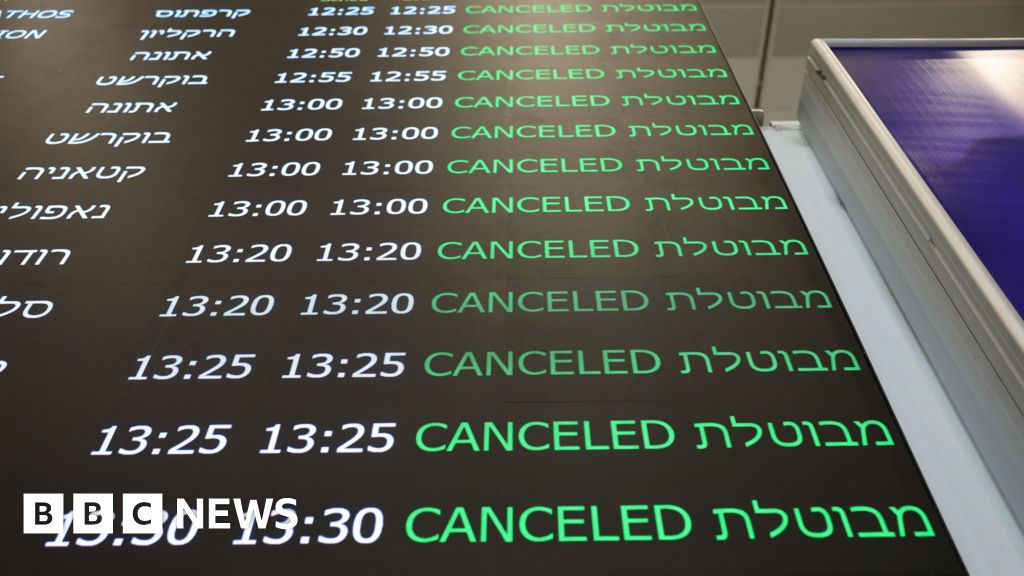
Little-Pengelly highlighted concerns among families in Northern Ireland who have relatives in the Middle East, mentioning that it is estimated around 100,000 UK citizens live, work, or visit the broader region. She emphasized the importance of ensuring the safety of citizens abroad, advising them to shelter indoors and remain up to date with the UK government’s guidance. She also raised the point that people from Northern Ireland might hold British passports, Irish passports, or both, stressing the importance of providing support and advice to everyone from Northern Ireland residing in the region. Describing the Iranian regime as “an appalling one,” Little-Pengelly criticized it for causing instability.
Responses from political figures have varied. Sinn Féin’s foreign affairs spokesperson Donnchadh Ó Laoghaire condemned the attacks by the US and Israel on Iran, labeling them as reckless acts that could lead to broader conflict in the region and immediate dangers for civilians. Social Democratic and Labour Party leader Claire Hanna expressed deep alarm at the escalating military tensions, urging the UK to prioritize diplomacy over further military action and calling for urgent efforts to de-escalate the situation. Meanwhile, Irish Taoiseach Micheál Martin voiced his grave concerns about the potential for conflict expansion in the Middle East and appealed to all parties to practice restraint.
Among the Iranian community in Northern Ireland, opinions reflect the complexities of the situation. Iman Talebian, a PhD student who has been in Northern Ireland for just three months, shared that many Iranians support military intervention out of lack of alternative options, citing economic hardship and severe restrictions on freedom in Iran. Similarly, 23-year-old Fatemeh Sadat Mosavi, who has family members living in Iran, spoke about the deep love Iranians have for their country and their hope that Iran will soon be free, allowing people to return and live normal lives as others do
Read the full article from The BBC here: Read More
Auto Amazon Links: No products found. Blocked by captcha.