Auto Amazon Links: No products found. Blocked by captcha.
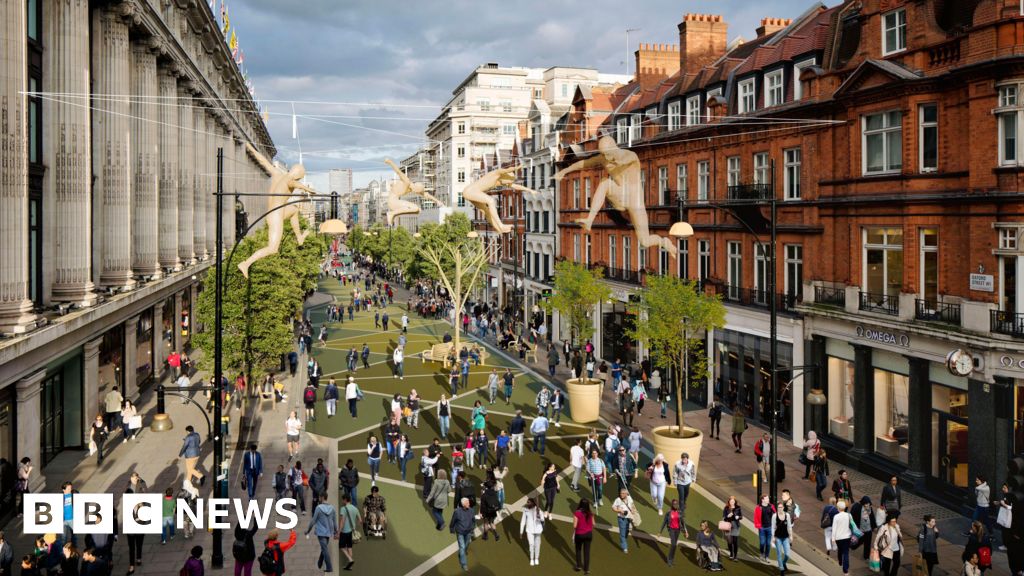
The plans to pedestrianise Oxford Street in London have received final approval from the city’s mayor, Sir Sadiq Khan. This decision instructs Transport for London (TfL) to move forward with removing all traffic from Oxford Street between Great Portland Street and Orchard Street. The endorsement follows a second public consultation, which saw 2,700 responses, with the majority in favour of the proposed changes.
The pedestrian-only zone is expected to be enforced by September, with further developments aimed at making the area more inviting for walkers to follow. Despite this, some residents have expressed concerns regarding the impact on traffic displacement, bus routes, and accessibility for disabled individuals. Nevertheless, TfL has stated that the project will proceed without modifications to the original plans previously shared with the public.
For the affected stretch of Oxford Street, this means a complete closure to private cars, buses, taxis, private-hire vehicles, cycles, scooters, and pedicabs. Service and delivery vehicles, however, will be allowed access during the early morning hours from midnight until 7 a.m. General traffic will be redirected to alternative routes, although it is noteworthy that motor vehicles are already banned between 7 a.m. and 7 p.m. from Monday through Saturday. Improvements will include wider pedestrian crossings, new and rerouted bus services along Wigmore Street and Henrietta Place—with minimal anticipated delays—and additional bus stops, taxi ranks, and drop-off points close to the pedestrianised area. Plans also include the possibility of increasing blue-badge parking bays and creating new cycle routes since cycling will no longer be permitted on this section of Oxford Street.
Sir Sadiq Khan described the initiative as a “bold vision to transform Oxford Street into a world-leading urban space for shopping, leisure and outdoor events.” He added, “We will outline more details in the coming days, as we continue building a better more prosperous London for everyone.” Alex Williams, TfL’s chief customer and strategy officer, confirmed that TfL would collaborate closely with Westminster City Council to ensure the smooth delivery of the changes. Although Westminster City Council had previously opposed the pedestrianisation plans, its leader Adam Hug acknowledged the council’s current role in making the transformation successful for both local communities and the wider capital. Hug emphasized key adjustments they secured to better accommodate residents, businesses, and London’s broader needs, including integrating the project with existing plans that maintain bus access and preserving strategic development funding
Read the full article from The BBC here: Read More
Auto Amazon Links: No products found. Blocked by captcha.