Auto Amazon Links: No products found. Blocked by captcha.
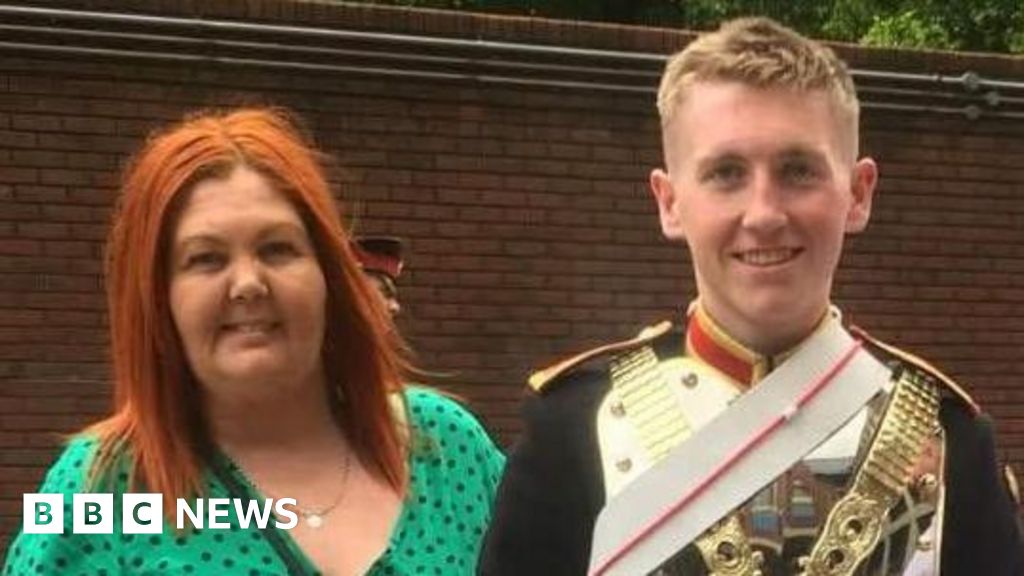
The family of Trooper Jack Burnell-Williams, who tragically died in his barracks just nine days after participating in the Queen’s funeral procession, has urged the Army to improve its care for soldiers. Jack, an 18-year-old member of the Household Cavalry from Bridgend, was discovered deceased at Hyde Park Barracks, London, on 28 September 2022. His family highlighted the intense demands placed on him, arguing that his regiment should have provided better support, especially given the evident pressures he faced.
An inquest into Jack’s death revealed that he was “plainly under stress” due to the excessive working hours that he and his fellow soldiers were expected to endure. Assistant Coroner Bernard Richmond KC described these schedules as “frankly ridiculous,” noting the culture within the regiment that demanded individuals to “pull their weight” with little respite. Jack’s mother, Laura Williams, described how he was constantly exhausted, struggling to sleep and eat properly, all while juggling relentless duties. The family also observed that Jack, who had expressed a desire to join the Army from a very young age, became increasingly withdrawn and unwell during this period.
The Household Cavalry acknowledged shortcomings in how Jack was treated, publicly admitting they had “failed Jack.” Brigadier Rupert Evetts, the regiment’s commander, apologized and outlined changes that have since been implemented, such as reducing workloads, cutting down guard duties, and hiring additional civilian staff for kit cleaning and horse care. He emphasized the commitment to learning from this tragedy and making sustained improvements to better support soldiers like Jack in the future. Over £20 million has been invested in upgrading the facilities at Hyde Park Barracks, aimed at improving living conditions and overall soldier welfare.
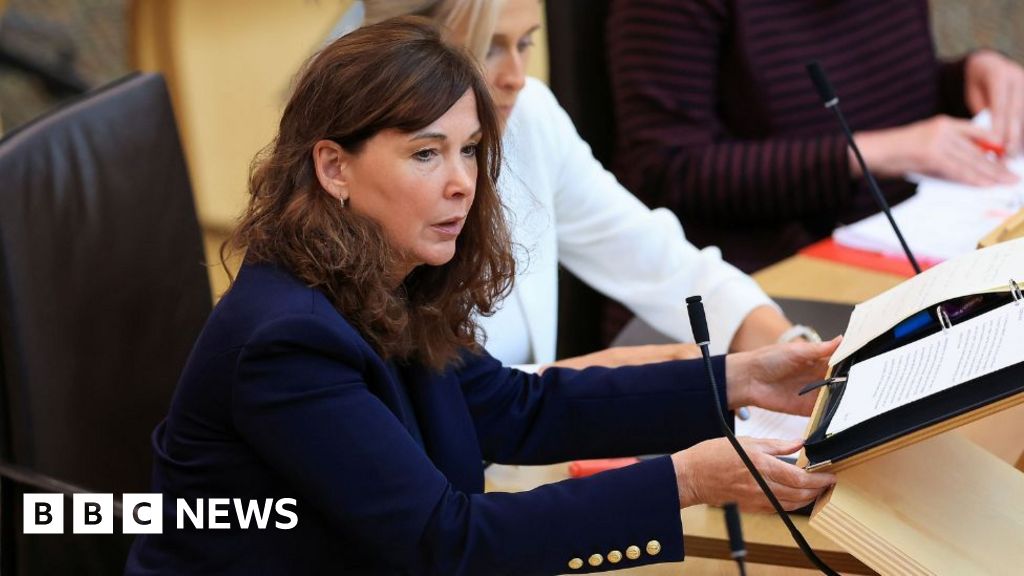
Despite these measures, Jack’s family remains cautious about the potential for real change. Laura expressed a hope that the Army would raise the minimum joining age for the Household Cavalry and do more to protect young recruits, pointing out that the regiment’s longstanding traditions often resist reform. While appreciative of the apology and acknowledgment of failings, they lament the loss of a young life full of potential. Louise Sandher-Jones, the minister for veterans and people, confirmed that many of the coroner’s recommendations have already been acted upon, and she urged continued efforts from military leadership to safeguard the well-being of soldiers. Jack’s legacy, she said, should be a catalyst for important reforms in military service life
Read the full article from The BBC here: Read More
Auto Amazon Links: No products found. Blocked by captcha.