Auto Amazon Links: No products found. Blocked by captcha.
The High Court has heard that government officials unlawfully entered a barrister’s office and confiscated legal documents kept in her safe during a significant national security case. This case involves allegations that UK intelligence services were complicit in the CIA’s torture of Abu Faraj al-Libi, a suspected al-Qaeda operative detained at Guantanamo Bay. The barrister representing al-Libi, Jesse Nicolls, stated in court that security officers had executed an “unlawful entry, search, sift and seizure” of her materials.
During proceedings in London, Mr Justice Chamberlain ordered the return of all materials taken from the barrister’s safe and set a further hearing for 25 March to determine the legality of the government’s actions. The barrister affected is Rachel Toney, who serves as a special advocate for al-Libi in secret hearings closed to him and his legal team. These closed sessions often feature sensitive evidence that the government deems too confidential to share publicly or even with the detainee’s own lawyers.
Special advocates like Toney operate under strict communication limitations. They are separate from al-Libi’s solicitors and barristers, whose communication with special advocates is typically mediated by a civil servant to safeguard classified information. In this situation, government security personnel entered Toney’s chambers without permission last month and seized documents, including electronic files, from her safe despite her absence. Al-Libi’s legal team described the move as “obviously unlawful” due to the absence of judicial approval. Moreover, they allege that the government officials reviewed legally privileged materials and deleted files from her laptop.
Among the materials taken were documents related to another detainee, Abu Zubaydah, a Palestinian man also held at Guantanamo Bay and known to have been tortured by the CIA. The UK government previously settled a compensation claim with Abu Zubaydah after acknowledging MI5 and MI6 involvement in his mistreatment. Al-Libi’s barristers emphasize that the government’s understanding of CIA torture programs is central to his case. They argue that Toney’s familiarity with these matters is as comprehensive as that of government lawyers, suggesting the seizure was motivated by a desire to gain a litigation advantage. They question whether the Attorney General was aware and had authorized the search.
In legal submissions, Toney and her fellow special advocate highlighted that access to Abu Zubaydah’s case materials was crucial due to parallels with al-Libi’s situation. They condemned the government’s actions as “unprecedented” and suggested that Toney had been deliberately targeted. Expressing deep concern over the incident’s motivations and consequences, the advocates indicated they might resign from representing al-Libi. The government, for its part, communicated in a letter to al-Libi’s lawyers that intelligence services had not consented to the use of the Abu Zubaydah materials and that Toney was not authorized to access them. Following a closed court session, the judge permitted Toney to use the disputed material to prepare for an upcoming hearing and ordered the government to return the seized documents, now with its consent.
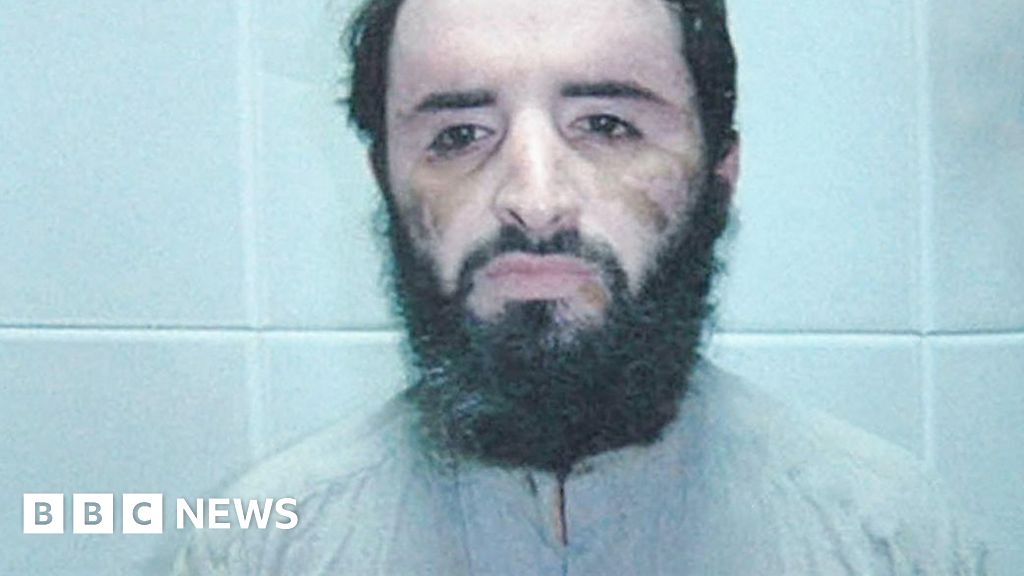
Abu Faraj al-Libi, a Libyan national, has been held without trial at Guantanamo Bay since 2006, having been captured in Pakistan in 2005 and transferred to US custody shortly afterward. He claims to have endured torture and severe mistreatment while held in CIA black sites across multiple countries, with MI5 and MI6 allegedly passing questions used during his interrogations. The US government contends that al-Libi was a senior figure within al-Qaeda and maintained long-standing connections with Osama bin Laden
Read the full article from The BBC here: Read More
Auto Amazon Links: No products found. Blocked by captcha.