Auto Amazon Links: No products found. Blocked by captcha.
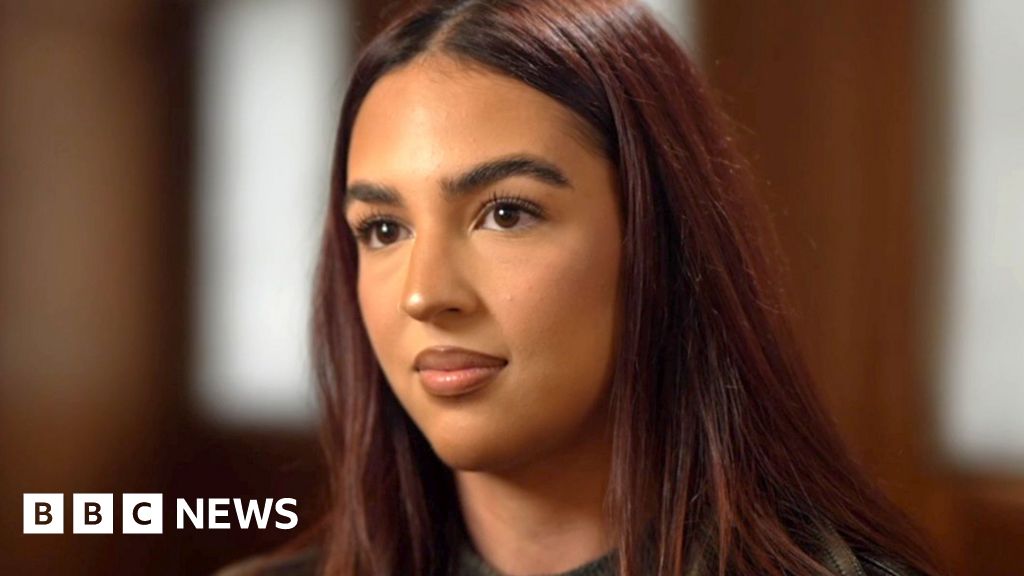
During a lunch break at her workplace in London, Dilara experienced an unsettling encounter when a tall man approached her and remarked, “I swear red hair means you’ve just been heartbroken.” They continued talking while sharing a lift, and he asked for her phone number. What Dilara didn’t know at the time was that the man was secretly recording their interaction through his smart glasses—a device resembling ordinary eyewear but equipped with a tiny camera capable of capturing video undetected. This covertly filmed footage was later uploaded to TikTok and quickly amassed 1.3 million views. Reflecting on the incident, Dilara, who is 21, shared with the BBC, “I just wanted to cry.”
Further investigation revealed that the man behind the video had posted multiple similar clips on TikTok, offering men advice on how to approach women. Worryingly, Dilara discovered that her phone number was clearly visible in the video, which led to her receiving a flood of messages and calls. In another case, Kim, aged 56, was unknowingly recorded on a beach in West Sussex last summer by a different man wearing smart sunglasses. The man initiated a conversation with a compliment on her bikini and probed into her personal life, asking about her residence and attempting to connect on Instagram. Kim had no idea she was being filmed as she shared details about her employer and family. The videos he posted under the pretext of dating advice soon garnered nearly 7 million views on TikTok and more than 100,000 likes on Instagram.
The BBC’s research uncovered hundreds of such videos on TikTok and Instagram, created by various male influencers who often secretly filmed women without their consent, predominantly using Meta’s smart glasses. Many of these influencers monetize their content by charging for coaching and advice on how to approach women. Dilara’s experience is not isolated; seven women across the UK, US, and Australia have spoken to the BBC about feeling exploited and distressed after discovering they had been secretly recorded and publicly shared online. Current UK law does not specifically prohibit filming someone in public without their consent, explains privacy lawyer Jamie Hurworth. He adds that being in public doesn’t automatically grant permission to film and disseminate videos online.
After Dilara initially reported her video to TikTok, the platform stated no policy violations were found. However, following the BBC’s inquiry, TikTok removed the content and declared it would take down videos breaching its community guidelines concerning bullying and harassment. Kim requested the man who filmed her to edit out personal details, but he did not comply. Rebecca Hitchen from the End Violence Against Women Coalition expressed concern that manufacturers of smart glasses prioritize profits over women’s safety, urging for safety measures to be implemented. Despite this, experts warn that the videos may not clearly fall within the content categories outlined as unlawful under the UK’s Online Safety Act. Both Kim and Dilara described the secret filming as a violation; Kim advocated for legal changes to protect individuals from being filmed without permission. She stated, “Nobody’s got the right to film other people and exploit them and sexualise them, make money out of them without their permission.”
Dilara endured weeks of relentless harassment after her phone number was exposed, receiving messages and calls at all hours. Some callers insulted her, asking, “Do you know how stupid you are? Do you regret it? Do you know how easy that made you look?” Men also showed up at her workplace quoting lines from
Read the full article from The BBC here: Read More
Auto Amazon Links: No products found. Blocked by captcha.