Auto Amazon Links: No products found.
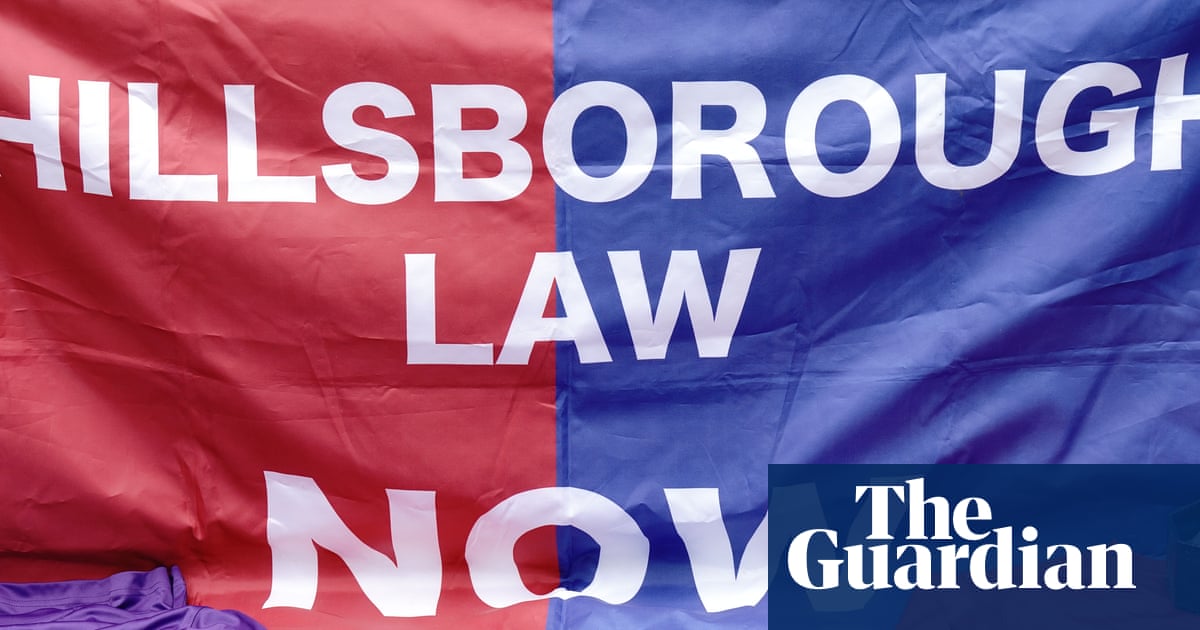
Keir Starmer is anticipated to prioritize the passage of the Hillsborough law during his final week in office, aiming to complete its journey through the Commons after several months of delays. This legislation is designed to enhance support for families pursuing justice following significant disasters and introduce new offences targeting officials who intentionally mislead the public or obstruct accountability.
Before taking office, the prime minister identified this bill as a cornerstone of Labour’s manifesto. At the party’s 2024 conference in Liverpool, he pledged to enact the legislation ahead of the anniversary of the Hillsborough stadium disaster on 15 April. Starmer emphasized that families should never again be forced to confront the state in their quest for truth.
Despite these commitments, the bill faced delays due to disagreements between ministers and campaigners over its application to the intelligence services. Initially slated to complete its Commons stages earlier in the year, the government postponed the process after MI5, MI6, and GCHQ raised concerns about the potential risks to national security operations and the protection of covert officers. bereaved families and campaigners feared the legislation, officially named the public office (accountability) bill, would be shelved indefinitely.
The bill is named after the 1989 Hillsborough disaster, in which 97 Liverpool football fans died following a crush during an FA Cup semi-final at Sheffield. A landmark inquest in 2016, nearly 30 years after the tragedy, concluded that those who died were unlawfully killed and confirmed that the Liverpool supporters bore no responsibility, directly contradicting the false assertions made by police officers. The prolonged struggle for justice uncovered numerous failures by public bodies, including the South Yorkshire police force. The government had originally proposed amendments allowing intelligence agencies to control the disclosure of sensitive information during investigations linked to national security, sparking backlash from Labour MPs and campaigners. Opponents argued that such measures would undermine the bill’s main objective by permitting parts of the government to escape scrutiny. Although the government later withdrew the contentious amendment, discussions continue on balancing the protection of secret intelligence with the bill’s broader goals.
Further confusion emerged recently when Deputy Prime Minister and Justice Secretary David Lammy expressed confidence in the legislation’s imminent return to the Commons after responding to a call from Liberal Democrat deputy leader Daisy Cooper to pass the bill before the parliamentary recess. Nevertheless, subsequent government statements suggested the bill might only return after the summer recess, by which time Starmer would no longer be prime minister. The parliamentary schedule was updated to include the bill’s remaining Commons stages on Tuesday, setting the stage for MPs to approve it before it advances to the House of Lords. Successfully passing the Commons this week would enable Starmer to depart office having fulfilled a key promise of his tenure. For the bereaved families, the bill’s progress represents a significant moment after months of uncertainty and setbacks, with hopes that establishing a legal duty on public authorities will prevent future cover-ups following disasters and major public tragedies
Read the full article from The Guardian here: Read More
Auto Amazon Links: No products found.