Auto Amazon Links: No products found.
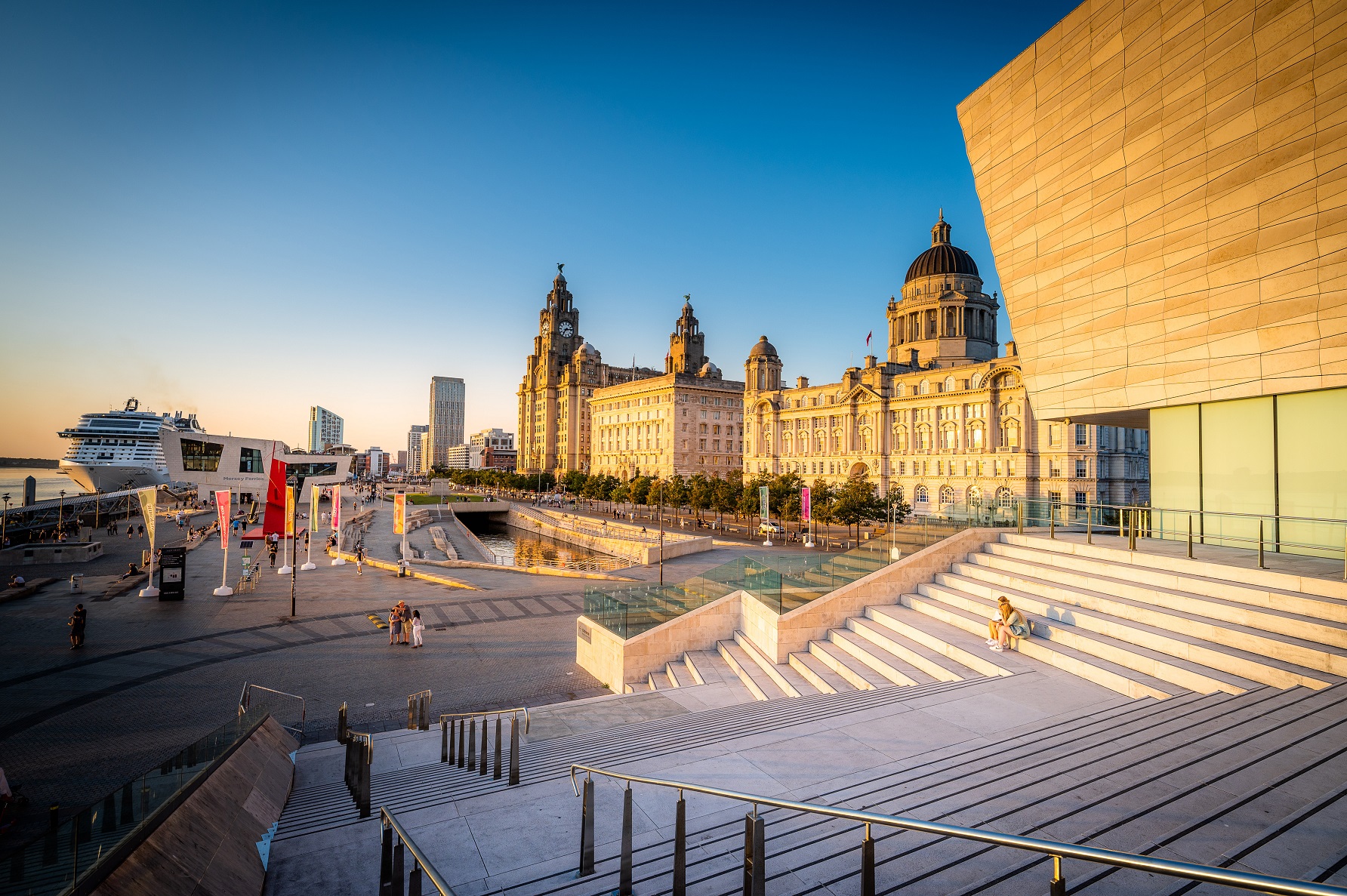
Liverpool City Council has opened a public consultation inviting input from residents, businesses, and local organisations regarding plans for a new Heat Network Zone within Liverpool’s city centre. The proposed zone includes parts of the city centre and the Knowledge Quarter, areas identified as prime candidates for implementing low-carbon heat networks to reduce emissions effectively.
Heat networks operate by distributing heat generated from a central source through underground pipes to various buildings, such as homes, offices, hospitals, and universities. This system serves as a proven low-carbon alternative to conventional heating methods and is already partially established in Liverpool. The council’s consultation seeks feedback to support the UK Government’s aim of achieving net zero emissions by cutting carbon output throughout the city centre.
The initiative is part of a wider national programme, led by the Department for Energy Security and Net Zero (DESNZ), which focuses on pinpointing locations where heat networks can deliver the most cost-efficient, low-carbon heating solutions. The consultation period runs from 17 June to 29 July 2026, allowing the public to respond online, via email, or by postal mail. Hard copies of relevant materials, including maps outlining the proposed boundary, are available at Liverpool Central Library. Additionally, an online event will be held to discuss the proposals and address any questions.
Once the consultation closes, the responses gathered will help determine the final boundary of the Heat Network Zone. A consultation statement will then be published to explain how public feedback has influenced the final plans. To participate in the consultation, members of the public can visit the Liverpool City Council’s website directly.
Cllr Liam Robinson, Leader of Liverpool City Council, commented on the consultation, stating: “This consultation is an important step in shaping how we heat our city centre in a cleaner, more sustainable way. Heat networks have the potential to play a major role in cutting carbon emissions, improving air quality and supporting our net zero ambitions. We want to make sure the proposed Heat Network Zone reflects the needs of Liverpool’s residents, businesses and institutions, so it’s vital that people take the opportunity to have their say. By working together, we can help create a more energy-efficient city that is better prepared for the future and less reliant on traditional fossil fuels.”
Read the full article on Liverpool Express here: Read More
Auto Amazon Links: No products found.