Auto Amazon Links: No products found. Blocked by captcha.
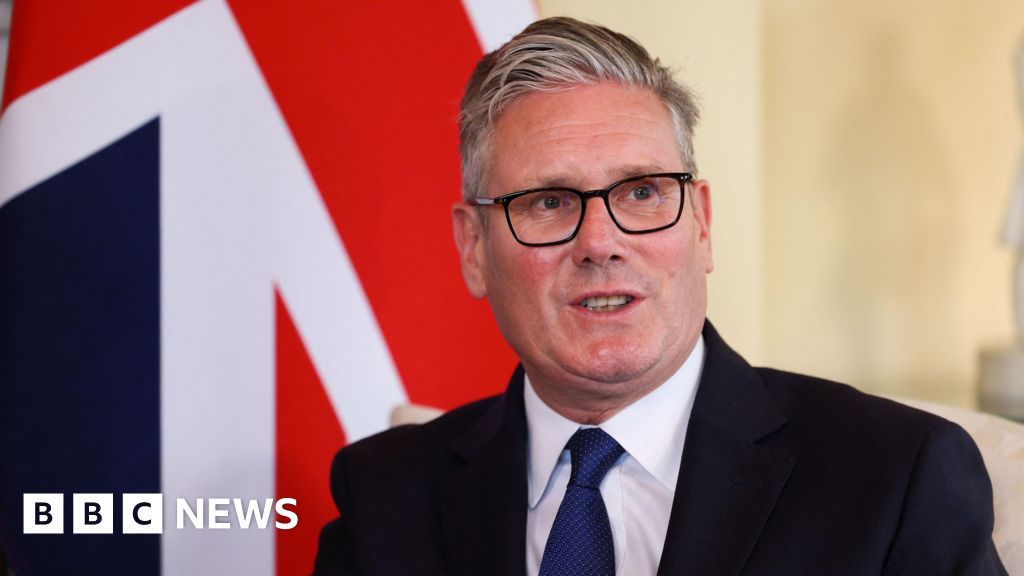
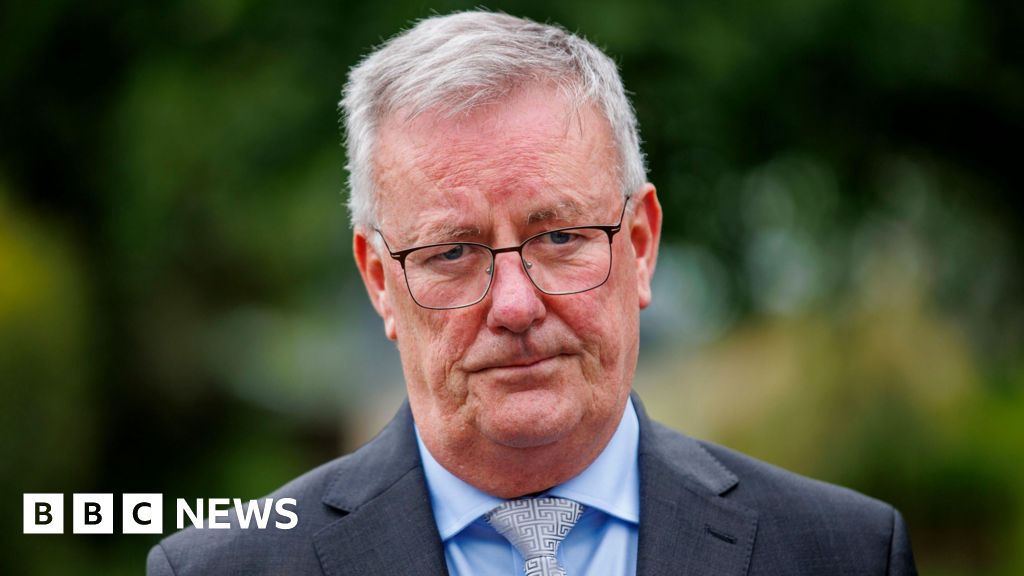
Mike Nesbitt has announced his intention to resign as leader of the Ulster Unionist Party (UUP). He communicated this decision to MLAs and party officials on Friday morning. While Nesbitt plans to remain Northern Ireland’s health minister until the assembly elections scheduled for May 2027, the ultimate choice regarding his ministerial role lies with the incoming party leader.
In a statement addressing his departure, Nesbitt explained, “The next five-year mandate stretches to May 2032, the month I hope to celebrate my 75th birthday. That’s a commitment to full-time politics I just do not feel I can make.” He also emphasized his unwillingness to campaign while privately planning to retire mid-term, saying, “I would not be comfortably seeking a vote knowing that privately I was intending to retire during the mandate.” Nesbitt highlighted that he had resumed the leadership to prepare the party for the upcoming elections and that task is now complete. He believes it is time to appoint a new leader to guide the party into the 2027 polls with a message of confident, responsible unionism.
Nesbitt’s leadership of the UUP, which began again in August 2024, marks his second tenure in the role. Previously, he won the leadership contest in 2012 but stepped down in 2017 after disappointing election results. Since his initial departure, the party’s leadership has seen a sequence of unopposed successions, including Robin Swann, Steve Aiken, Doug Beattie, and Nesbitt himself, yet none have succeeded in reversing the party’s decline. A UUP spokesperson described Nesbitt’s resignation as a “pivotal moment,” with details regarding the leadership selection process to be announced soon. The party intends for a smooth and inclusive transition.
Attention now turns to potential successors, with speculation focusing on two contrasting figures. Deputy leader Robbie Butler is associated with the party’s liberal wing and was brought into politics by Nesbitt during his first leadership spell. Butler is known for his measured and controversy-avoidant approach. In stark contrast, Jon Burrows, a former police officer and new MLA since July, has quickly gained attention for his outspoken and often provocative remarks on various issues. Should both enter the leadership race, it would be UUP’s first contested leadership election since 2012 when Nesbitt defeated John McCallister.
Nesbitt likely found balancing the dual demands of party revival and managing the health ministry overwhelming. He had indicated months ago that he would make a decision by January at the latest to provide clarity for his successor. He also hopes his successor will honor his wish to continue as health minister until next May. Like Doug Beattie before him, Nesbitt was regarded as a progressive leader, a direction Butler could maintain. Burrows, meanwhile, represents more of an unknown factor for the party’s future. Within the UUP, leadership changes have become frequent and unresolved, raising questions about the prospects of reversing their waning influence
Read the full article from The BBC here: Read More
Auto Amazon Links: No products found. Blocked by captcha.